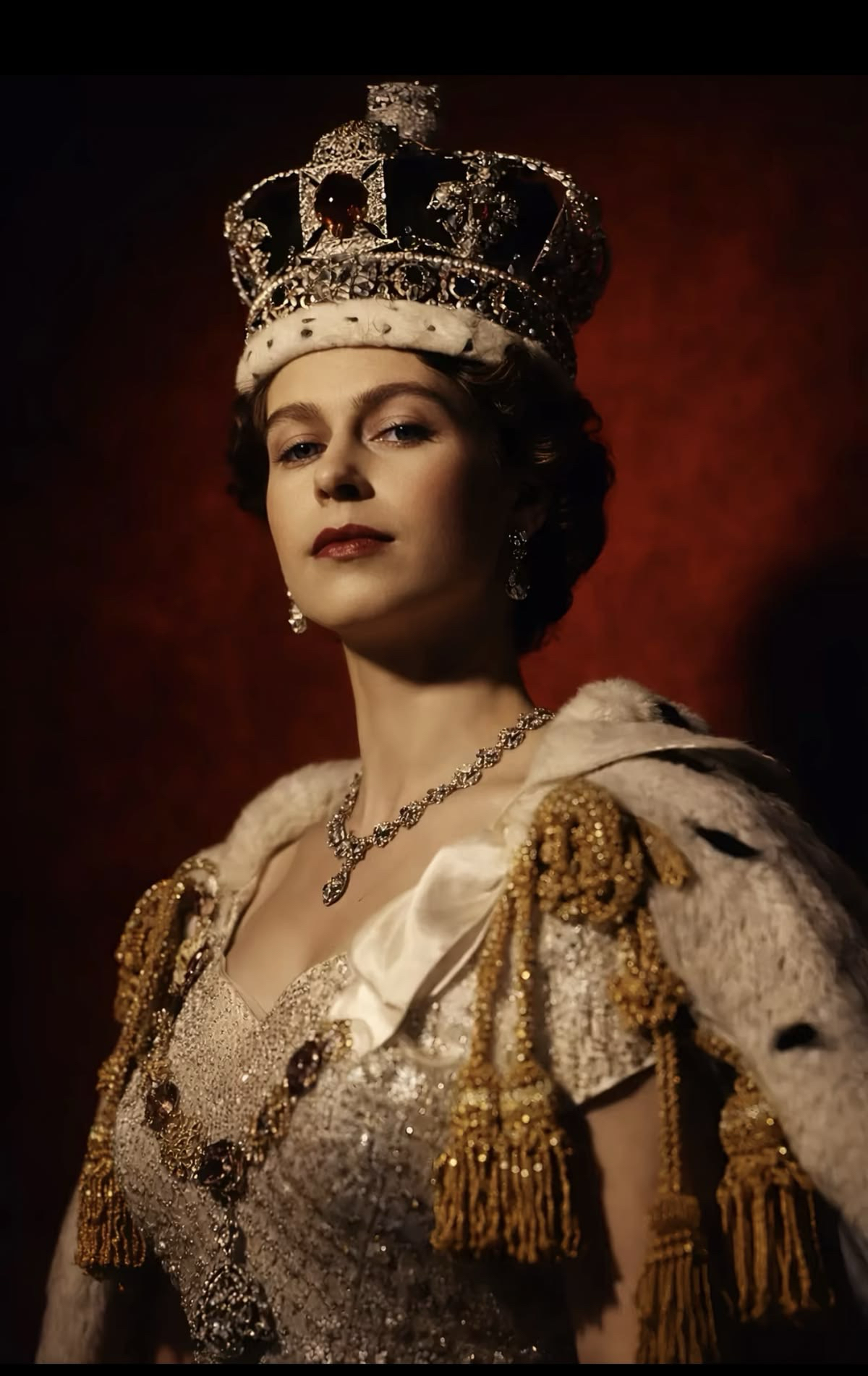
If you ask people in England what they remember most about Queen Elizabeth II, you’ll hear different answers. Some talk about the 1953 coronation on a tiny black-and-white TV. Others remember her tucking Paddington Bear’s marmalade sandwich into her handbag. What almost everyone agrees on is this: for 70 years, she was simply there. Here’s the story of the longest-reigning monarch in British history, and of the England she lived in.
Queen Elizabeth II Early Life: The Girl Who Wasn’t Meant to Be Queen
Elizabeth Alexandra Mary was born in London on 21 April 1926. Her father was the Duke of York, a younger brother, so nobody planned for her to wear the crown. Then in 1936 her uncle, Edward VIII, gave up the throne to marry Wallis Simpson. Her dad became King George VI, and ten-year-old Elizabeth was suddenly next in line.
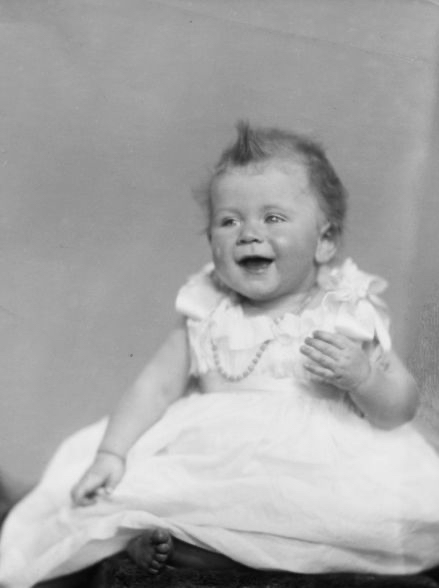
Her childhood was shaped by the Second World War. While many kids were sent away from the cities, she and her sister Margaret stayed mostly at Windsor Castle. In 1940 she made her first radio broadcast, speaking to children who’d been evacuated.
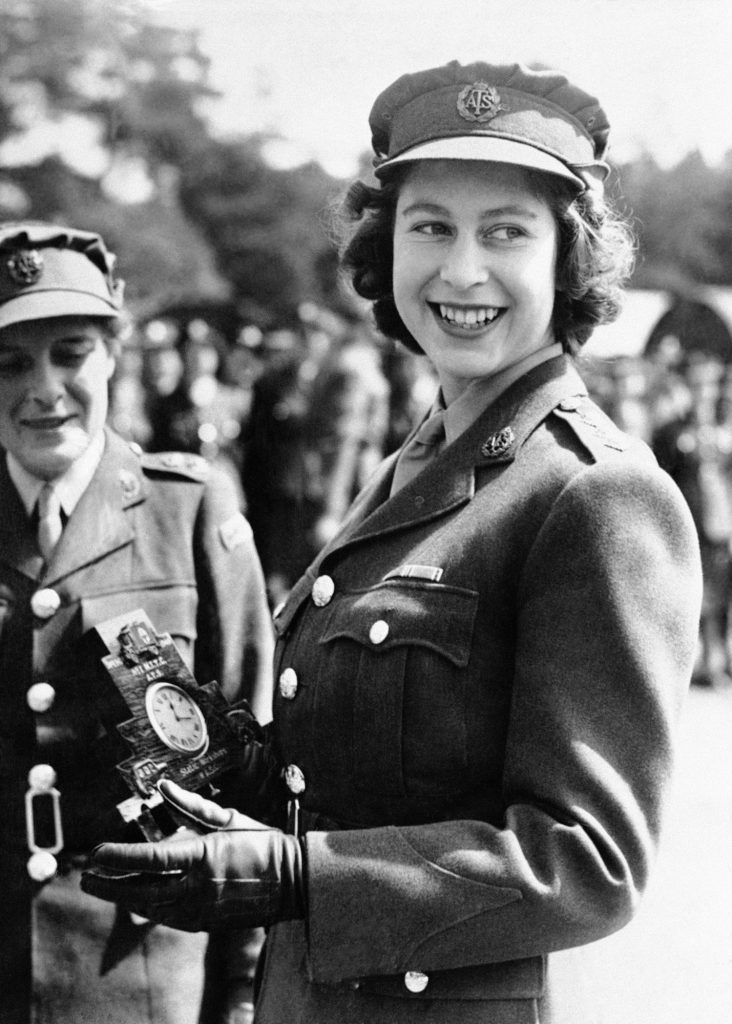
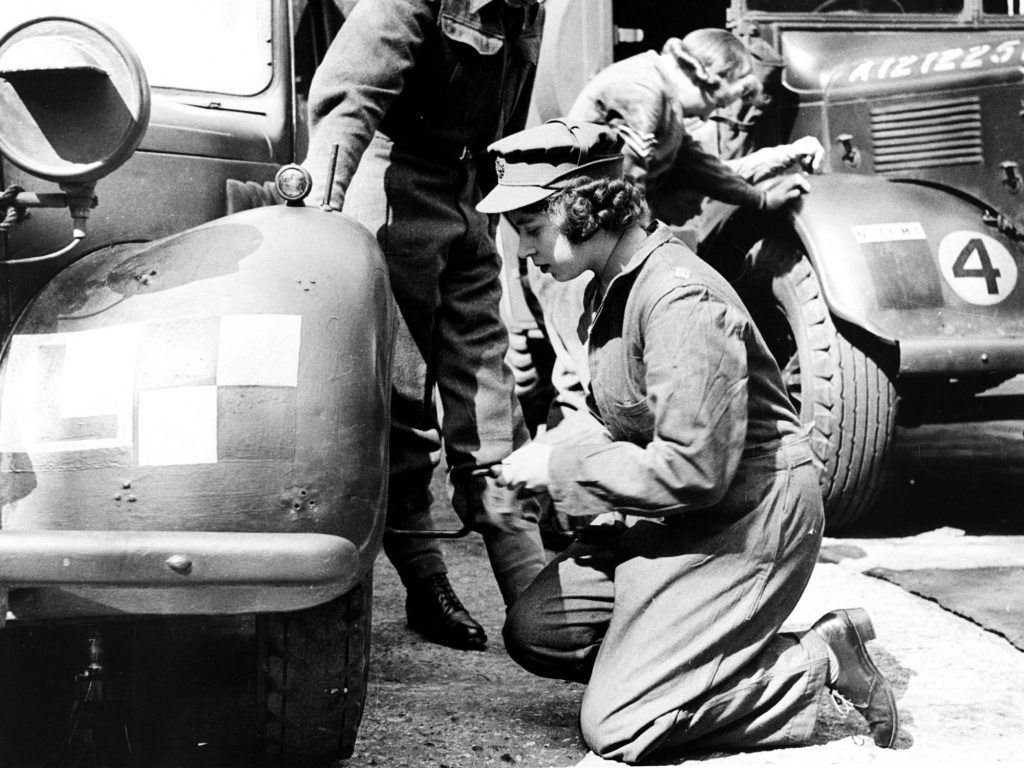
At 18 she joined the Auxiliary Territorial Service and trained as a mechanic and driver. She remains the only female member of the royal family to have served in the armed forces.
Becoming Queen in 1952
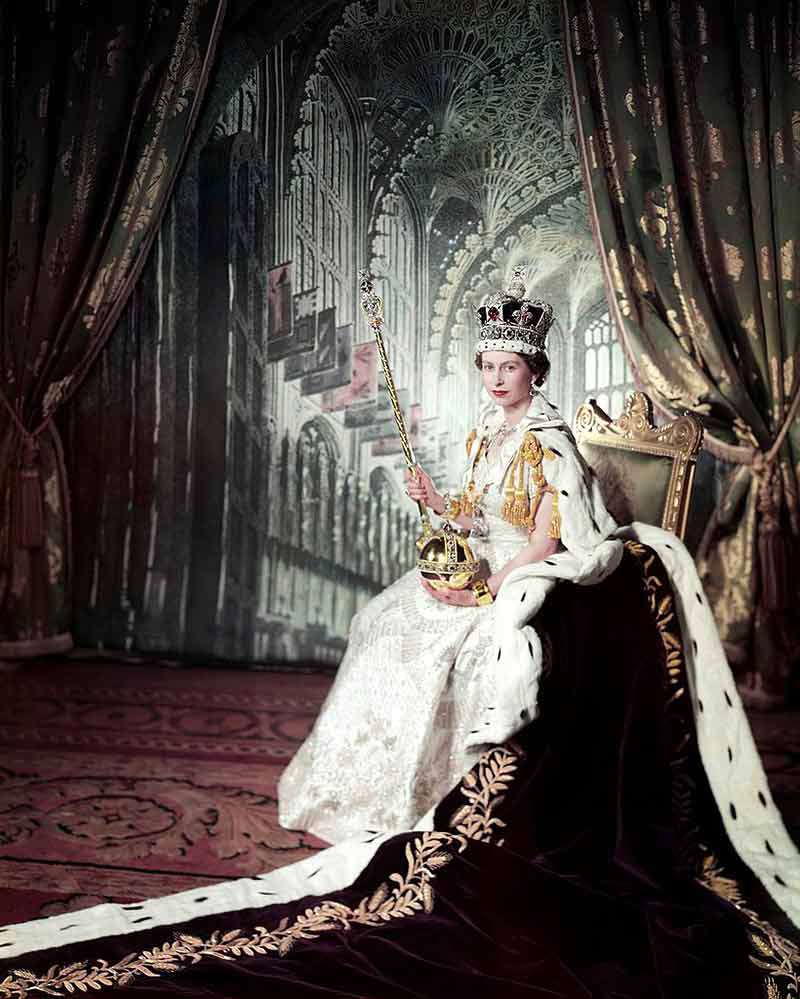
Elizabeth married Philip Mountbatten in 1947. On 6 February 1952 her father died while she was on a trip to Kenya, and she came home as queen at just 25. Her coronation at Westminster Abbey on 2 June 1953 was one of the first big events shown on television. Families squeezed into living rooms, and neighbours without sets knocked on doors to watch.
How Life in England Changed During Her Reign
Seventy years is a long time. Over that stretch, England went through changes that her grandparents wouldn’t have recognised:
- Post-war recovery: rationing finally ended in 1954, and new towns and council housing went up across the country.
- The 1960s and 70s: pop music, fashion and youth culture exploded, Britain switched to decimal currency in 1971, and economic troubles made the decade a hard one.
- Modern Britain: the 1980s brought big political and industrial upheaval, and later decades made the country more multicultural and more online.
- The empire to the Commonwealth: many former colonies became independent, and the Queen became the face of the Commonwealth.
Across all of it she worked with 15 prime ministers, from Winston Churchill to Liz Truss, meeting each one privately every week. She didn’t make policy, but a lot of people found comfort in that steady presence while everything else moved.
The Hard Years and the Public Moments
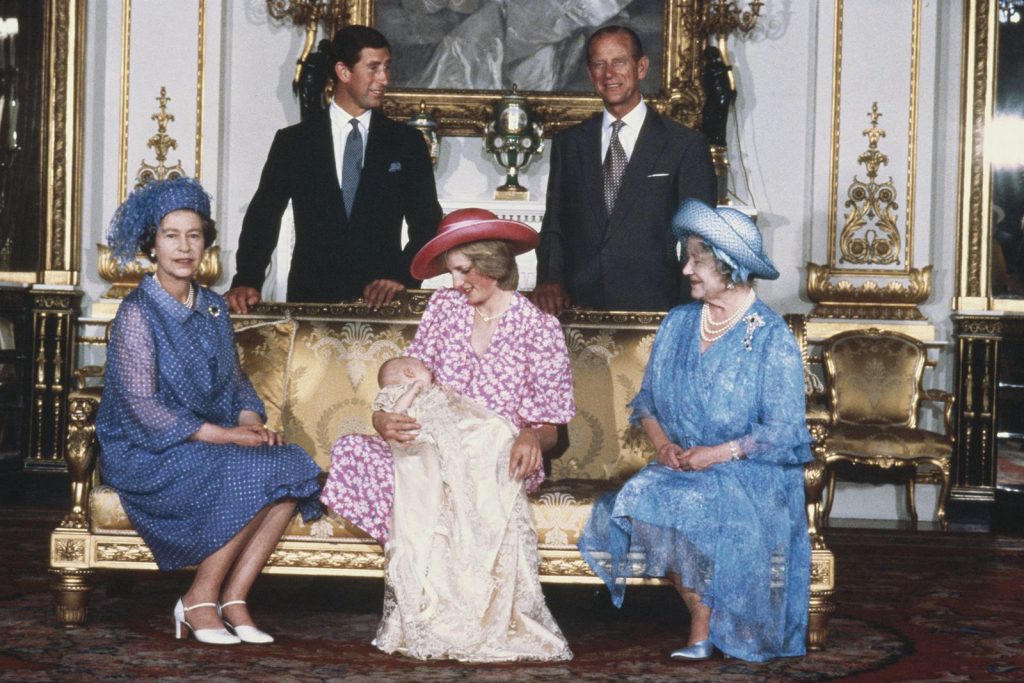
It wasn’t all pageantry. In 1992 she called the year her “annus horribilis” after family scandals and a fire at Windsor Castle. When Diana, Princess of Wales, died in 1997, some people felt the monarchy seemed cold and distant, and the Queen went on live TV to speak from the heart. Slowly, the institution became more open.
There were lighter moments too. In 2012 she appeared to parachute into the London Olympics with James Bond. In 2020, during the first Covid lockdown, she told the nation “we will meet again,” words that many still remember.
Queen Elizabeth II’s Death and Legacy
Queen Elizabeth II died at Balmoral Castle in Scotland on 8 September 2022, aged 96. She’d reigned for 70 years and 214 days, the longest of any British monarch. Her son became King Charles III. Huge crowds queued for hours, some for more than a day, to file past her coffin at Westminster Hall.
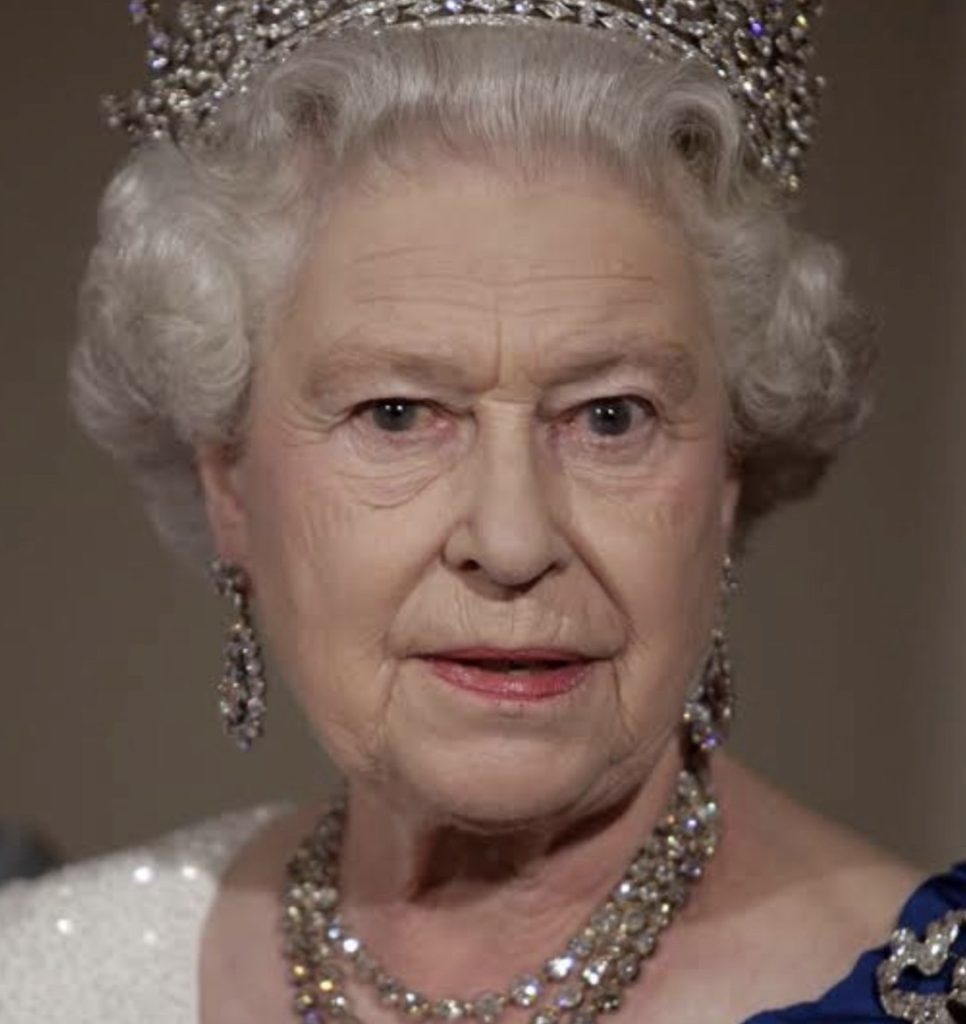
In a speech on her 21st birthday in 1947, she promised her whole life would be devoted to serving the people. Looking back, it’s hard to argue that she didn’t keep her word.
Happy Reading from Tia
Leave a Reply