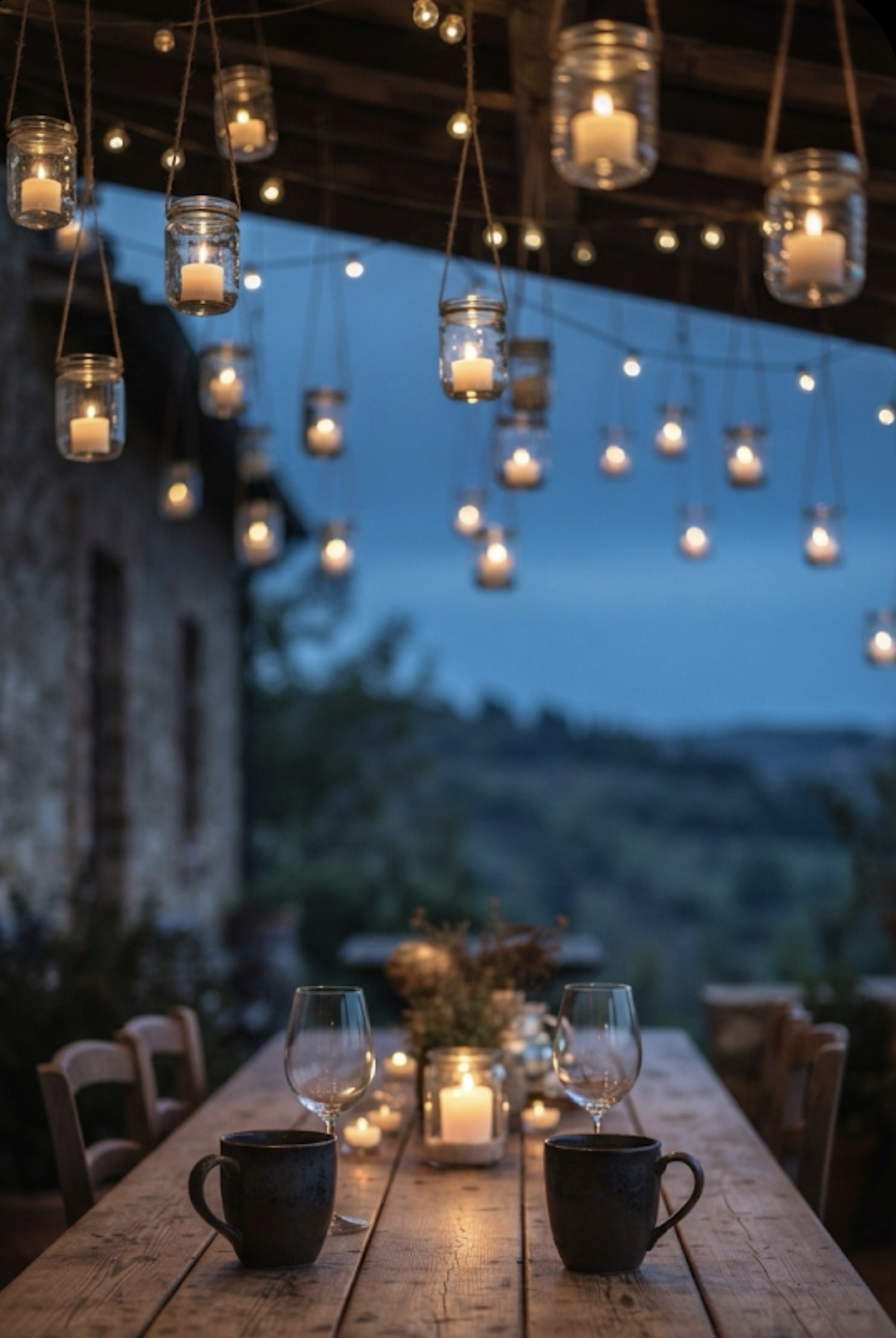
When you first get engaged, the world immediately hands you a giant list. People start asking about venues, color schemes, guest lists, and expensive centerpieces before you have even had a chance to enjoy the moment. Suddenly, planning a wedding feels less like a celebration of love and more like a high-pressure corporate project.
The wedding industry is loud. It is filled with voices telling you what you must do, what you should have, and what “everyone else” is doing. It is easy to feel like you are losing control of your own day. But here is a secret: you don’t have to follow those rules. You are not a project manager for a massive event; you are two people getting ready to start a life together.
If you are feeling overwhelmed, it is time to throw out the generic checklists. It is time to stop planning a “perfect” wedding and start curating a day that actually feels like you.
Why the Traditional Checklist Fails You
Most wedding advice is designed to make you spend more money and feel more stressed. These checklists often focus on things that don’t actually matter to your happiness. They focus on the “what”—what dress, what food, what flowers—instead of the “why.”
When you focus only on the checklist, you lose sight of the heart of the matter. You might end up with a beautiful venue that doesn’t feel comfortable, or a guest list full of people you don’t really know, just because “that’s how it’s done.”
True, meaningful planning starts with your own values. What do you and your partner actually love? Are you quiet, homebody types who love board games and cozy tea? Or are you adventurous people who love to travel and explore? Your wedding should reflect your reality, not a magazine’s version of a party.
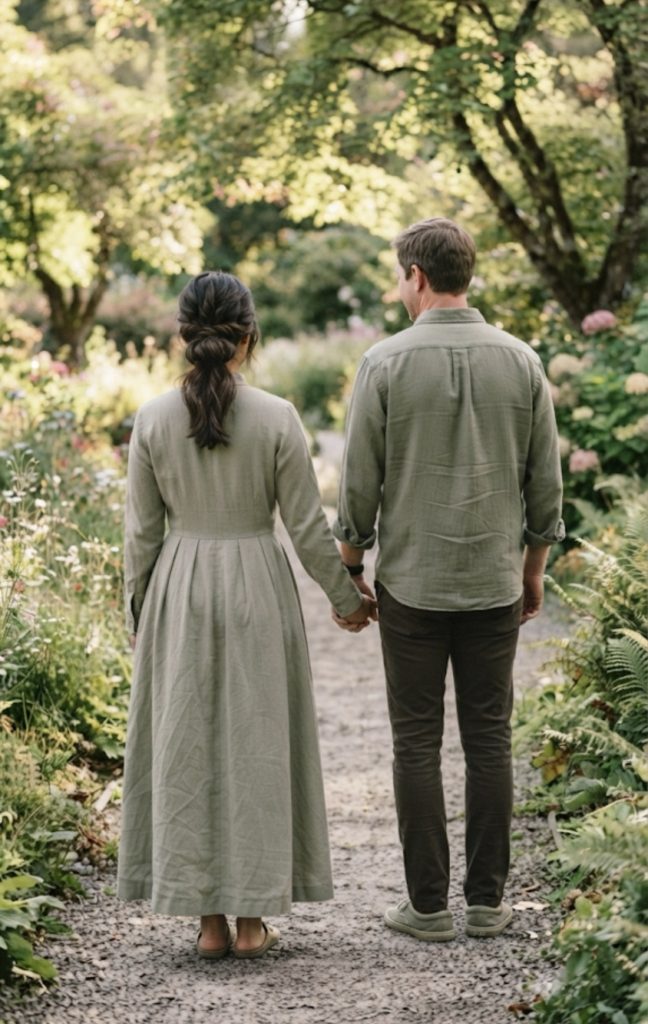
Step 1: Define Your “Must-Haves”
Before you book a single vendor, sit down with your partner. Don’t talk about budgets or guest counts yet. Just talk about how you want the day to feel.
Do you want to feel relaxed and laugh all day? Do you want a small, intimate dinner where you can actually talk to every guest? Or do you want a big dance party where you never leave the floor?
Pick three “non-negotiables.” These are the only things that truly matter. For example, your three things might be:
1. Excellent, authentic food.
2. A very small guest list of only our closest family and friends.
3. A venue that allows us to spend time outside.
Once you have your three things, everything else becomes secondary. If something doesn’t fit into those three categories, you can let it go. This simple exercise saves you so much time and stress.
Step 2: The Art of Saying “No”
Learning to say “no” is your superpower. Your family members might have strong opinions about your wedding. Friends might try to suggest traditions you don’t care about. It is okay to be kind but firm.
You do not need a bouquet toss if you don’t want one. You do not need a massive cake if you prefer a small dessert. You do not need to follow a strict, stressful timeline if it makes you miserable.
If a tradition feels like a chore, skip it. If a specific decoration feels like a waste of money, skip it. Protecting your peace is more important than pleasing your distant relatives. Remember, this is your story, not theirs.
Step 3: Making it Personal
Your wedding can be a beautiful creative project. Instead of buying generic party favors that end up in the trash, think about small, meaningful gifts that represent your journey.
Maybe you can design your own stationery or create a small booklet that tells the story of how you met. If you enjoy sewing or crafts, perhaps you can make a small, personalized detail for the day. These tiny, handmade touches make the wedding feel warm and authentic. They show your guests who you really are as a couple.
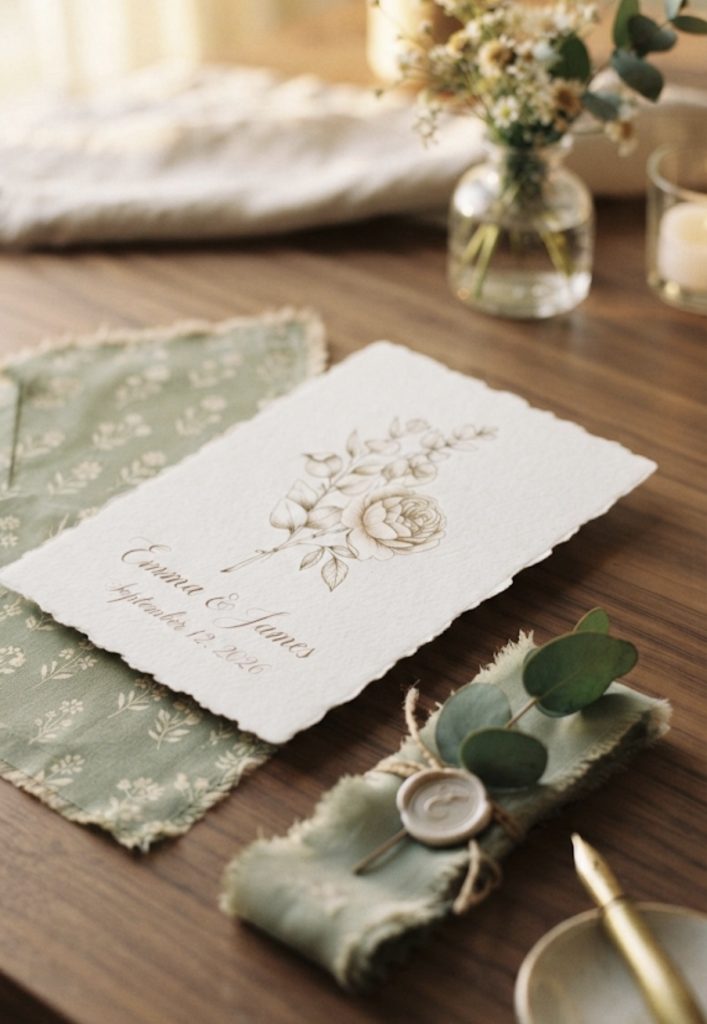
Step 4: Staying Within Your Budget Without the Stress
Money is usually the biggest source of wedding stress. But when you move away from the “standard” wedding, you have more freedom.
Traditional venues are often the most expensive part of a wedding. But do you really need a giant hall? What about a beautiful outdoor space, a rented home with a garden, or a small, charming restaurant? Often, these non-traditional spaces are not only cheaper but also much more personal.
Also, be honest about where you want to spend your money. If you love photography, put your budget there. If you don’t care about fancy invitations, use digital invites. Spend money on the things that will create memories, not the things that are just for show.
Step 5: Prioritizing Your Relationship
The most important part of your wedding is the marriage that comes after it. It is very common for couples to argue during the planning phase because they are tired and overwhelmed.
Set rules for your planning sessions. For example, agree that you will only discuss wedding plans for one hour on a Sunday morning over coffee. The rest of the week, talk about other things. Go on dates where you aren’t allowed to mention the wedding.
• Keep your friendship alive.
• Keep playing, keep laughing, and keep supporting each other.
If the planning starts to feel like a fight, stop. Take a walk. Watch a movie. Remind yourselves that you are on the same team.
Finding Flow in the Details
When you treat your wedding like a creative journey, you start to find “flow.” You stop worrying about every little thing being “perfect.” Instead, you start to see the beauty in the small details.
• Think about the atmosphere.
• How do you want the place to smell?
• What kind of music makes you both smile?
• What kind of lighting makes everyone feel relaxed?
• Focus on creating a space where people can talk, connect, and enjoy each other’s company.
“A wedding is not a show; it is a promise. Focus on the connection, not the decoration.”
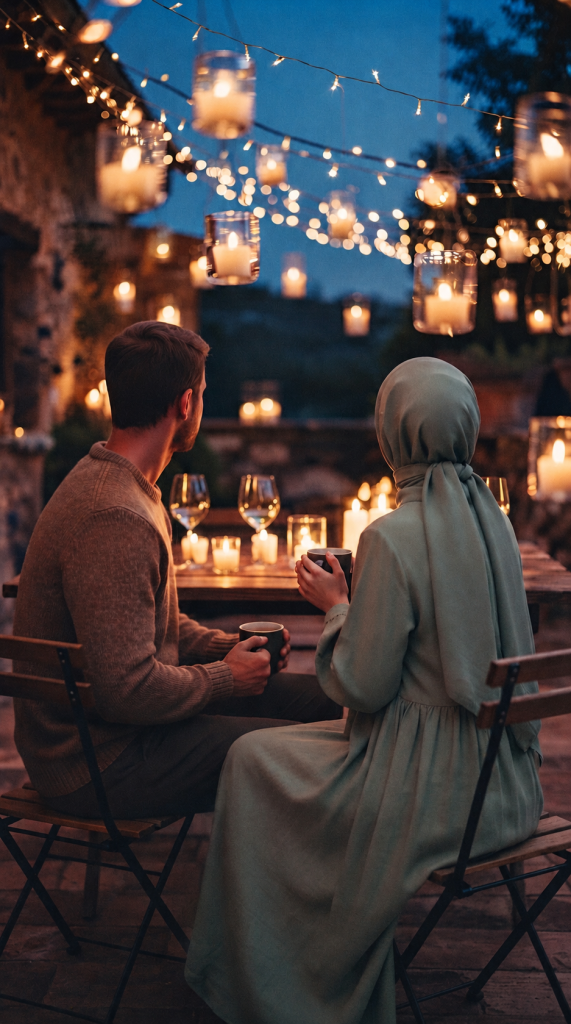
Embracing the Reality of the Day
On the actual day, things might go wrong. Maybe it rains, or the music isn’t quite right, or the schedule runs late. When this happens, breathe.
None of those small errors will change the fact that you are marrying the person you love. Your guests won’t remember if the napkins were the wrong shade of beige; they will remember how happy you looked and how much fun they had celebrating you.
Let go of the need for perfection. Perfection is boring. Authenticity is beautiful.🌻🌻
Conclusion
You don’t need a massive, expensive, or traditional wedding to have a wonderful day. You just need to be honest about what matters to you and your partner.
By focusing on your values, setting boundaries, and keeping your creative spirit alive, you can plan a day that is truly, deeply yours. It will be a day that reflects your story, your love, and your unique personality. And in the end, that is the only checklist that matters.
So, take a deep breath. Close those extra browser tabs with the “must-have” checklists. Start simple, stay intentional, and focus on the joy of the journey. Your wedding should be a reflection of the beautiful life you are about to build together.
This guide is meant to help you simplify your path. By focusing on your own vision, you turn a stressful chore into a creative, meaningful experience that honors your relationship above all else.
Celebrating the art of everyday living.
— Happy Reading from Tia —
Leave a Reply