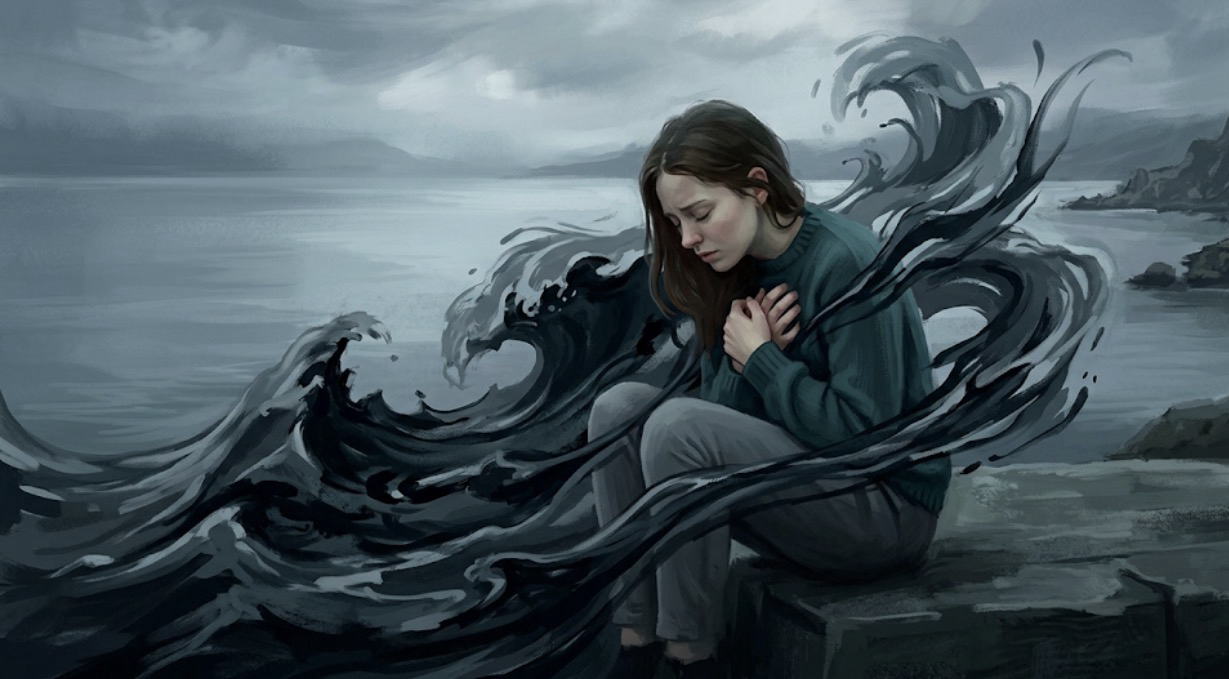
A panic attack can be one of the most frightening experiences a person can go through. It is an abrupt surge of intense fear or discomfort that reaches a peak within minutes, often occurring without a clear warning or external trigger. Understanding the physical and emotional landscape of a panic attack is the first step toward reclaiming your sense of calm.
A panic attack is a sudden episode of intense fear that can cause overwhelming physical and emotional symptoms, even when there is no real danger. Many people mistake their first panic attack for a heart attack because the symptoms can be so severe. Learning what panic attacks feel like and how to cope can help you regain confidence and reduce fear during future episodes.
Because these episodes are often sudden and unpredictable, they can significantly impact your daily quality of life. Learning to distinguish between the symptoms of panic and other conditions is a crucial part of the journey toward mental well-being and long-term resilience.
1. Recognizing the Physical Sensations
The body’s “fight or flight” response kicks into overdrive during a panic attack, leading to a cascade of intense physical sensations. Because these symptoms mimic other serious health issues, many people believe they are having a medical emergency.
Common physical signs include:
• Racing heart: A feeling that your heart is pounding or fluttering.
• Shortness of breath: A sensation of choking or being unable to get enough air.
• Chest tightness: Pain or discomfort in the chest area.
• Dizziness or lightheadedness: Feeling faint, unsteady, or detached from reality.
• Trembling or shaking: Involuntary muscle movements.
• Sweating or chills: Rapid fluctuations in body temperature.
These sensations are caused by a massive release of adrenaline, which is the body’s natural way of preparing for perceived danger. While the physical response is very real and exhausting, it is important to note that these symptoms are part of a transient process that will eventually subside as the adrenaline dissipates.
Panic is a wildfire of the mind—it consumes logic and leaves only the raw instinct to survive in its wake.
2. The Emotional and Cognitive Toll
Beyond the physical, panic attacks deeply affect your mental state. You may experience a feeling of “unreality” (derealization) or feel as though you are detaching from your own body (depersonalization).
Key emotional experiences often include:
• An intense fear of dying: The belief that the current physical sensations indicate a fatal event.
• Fear of losing control: Worrying that you might act out, scream, or lose your composure in public.
• The “impending doom” feeling: An overwhelming sense that something terrible is about to happen.
This cognitive shift often creates a “fear of fear” cycle, where the anticipation of a future attack becomes almost as distressing as the attack itself. Recognizing that these thoughts are products of a hyper-aroused nervous system—rather than objective reflections of reality—is a vital part of breaking the cycle.
3. Immediate Coping Strategies
When the storm hits, the goal is to stabilize your nervous system and signal to your brain that you are safe. These techniques can help lower your heart rate and ground you in the present moment.
3.1. Controlled Breathing
Focusing on your breath forces your body to switch from the sympathetic nervous system (fight or flight) to the parasympathetic nervous system (rest and digest). Try the 4-7-8 technique: inhale for 4 seconds, hold for 7 seconds, and exhale slowly for 8 seconds.
3.2. The 5-4-3-2-1 Grounding Method
This exercise pulls you out of your internal chaos and reconnects you with your external surroundings:
•Acknowledge 5 things you can see.
•Acknowledge 4 things you can touch.
• Acknowledge 3 things you can hear.
• Acknowledge 2 things you can smell.
• Acknowledge 1 thing you can taste.
Grounding works by diverting your brain’s focus from internal catastrophic thoughts toward external, neutral data. Engaging the senses effectively “anchors” you in the present, effectively reducing the intensity of the panic as your focus shifts outward.
4. Reframing the Experience
It is vital to remember that a panic attack, while incredibly uncomfortable, is not dangerous. The symptoms are simply your body’s alarm system going off at the wrong time.
It is not the fear itself that defines us, but the knowledge that we have the tools to survive it.
Remind yourself: “This is just a panic attack. It is uncomfortable, but it will pass. I am safe.”
Shift your perspective from “fighting” the sensations to “observing” them. When you stop resisting the discomfort, you remove the fuel that keeps the panic loop alive, allowing the intensity to decrease significantly faster than if you were to struggle against it.
When to Seek Professional Support
If you find that your panic attacks are frequent, or if the fear of having another attack is causing you to avoid places or situations, it is time to consult a mental health professional.
Therapies like Cognitive Behavioral Therapy (CBT) are highly effective in treating panic disorders.A professional can help you by identify and challenging the thought patterns that fuel panic.
Seeking help is a sign of strength, not a weakness. Professional guidance provides a safe space to process the root causes of your anxiety and equips you with structured tools that can lead to long-term recovery and freedom from the cycle of panic.
Don’t forget to follow our page and improve your understanding of human thoughts & emotions on our website.
— Happy Reading from Tia —
Leave a Reply