Disclosure: This post contains affiliate links at no extra cost to you.
Depression is often associated with noticeable symptoms such as persistent sadness, withdrawal from daily activities, and difficulty maintaining responsibilities. However, high-functioning depression can be much harder to recognize.
Individuals experiencing this condition may continue to perform well at work, maintain relationships, and fulfill obligations while privately struggling with emotional distress. Because the symptoms are often concealed behind productivity and achievement, many people remain undiagnosed for years.
1. Persistent Emotional Distress Beneath a Successful Exterior
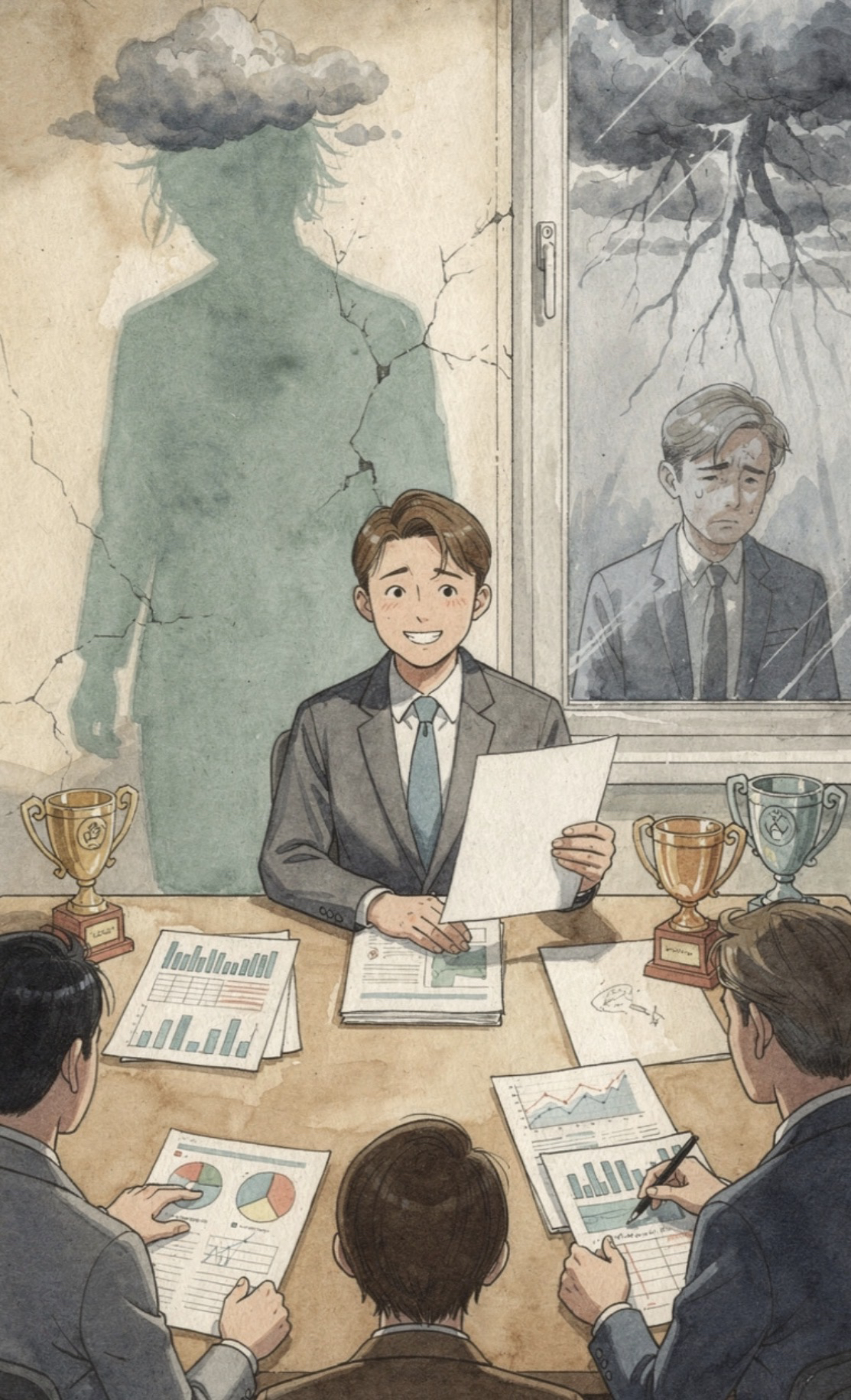
One of the defining characteristics of high-functioning depression is the presence of persistent emotional distress that exists beneath an outward appearance of success, competence, and stability.
Individuals experiencing this condition often continue to perform well in their careers, maintain social relationships, meet deadlines, and fulfill personal responsibilities, creating the impression that they are thriving.

However, behind this seemingly successful exterior, they may be struggling with ongoing feelings of sadness, emptiness, hopelessness, or emotional numbness.
Many people with high-functioning depression become skilled at masking their emotions, presenting themselves as cheerful, confident, and engaged even when they are experiencing significant internal pain. This contrast between their public image and private emotional reality can make it difficult for friends, family members, and colleagues to recognize that anything is wrong
2. Chronic Fatigue and Reduced Energy Levels
One of the most common yet often overlooked signs of high-functioning depression is chronic fatigue and a persistent lack of energy. While individuals may continue to fulfill their professional, academic, and personal responsibilities, they frequently do so while feeling mentally, emotionally, and physically exhausted.

Everyday tasks that once seemed simple and manageable can begin to feel overwhelming, requiring significantly more effort and concentration to complete.
Many people describe feeling as though they are constantly running on empty, pushing themselves through the day despite a deep sense of weariness. This exhaustion is not always relieved by adequate sleep, healthy eating habits, or regular exercise, making it different from ordinary tiredness.
Over time, the continuous strain of maintaining productivity while coping with underlying emotional distress can contribute to burnout, decreased motivation, difficulty concentrating, and a reduced ability to enjoy daily activities.
Because these individuals often continue functioning at a high level, their fatigue may be dismissed as stress or a busy lifestyle, allowing the underlying depression to remain unrecognized and untreated.
3. Perfectionism and Excessive Self-Criticism
Perfectionism and excessive self-criticism are common traits among individuals with high-functioning depression. Many set exceptionally high standards for themselves and feel a constant need to excel in every aspect of life, including work, relationships, and personal achievements.

While this drive for success may appear positive from the outside, it is often fueled by deep feelings of inadequacy, fear of failure, or a belief that self-worth depends on accomplishment. Even when they achieve their goals or receive praise from others, they may focus on minor mistakes, overlook their successes, and criticize themselves harshly for not meeting unrealistic expectations.
This persistent self-judgment can create ongoing stress and emotional strain, making it difficult to experience satisfaction or pride in their accomplishments.
4. Loss of Interest and Emotional Numbness
Loss of interest and emotional numbness is one of the most quietly distressing symptoms, because it often develops gradually and can be mistaken for laziness or simple burnout.
A person may stop enjoying activities they once looked forward to, such as hobbies, social interactions, music, or even basic daily routines, not because they don’t want to engage, but because the emotional “reward” or sense of pleasure feels muted or completely absent.

This state can make life feel flat or colorless, as if everything is happening at a distance rather than being fully experienced.
Alongside this, emotional numbness can create a sense of disconnection from oneself and others, where feelings like happiness, sadness, or excitement seem harder to access or express. Even important events may not trigger the expected emotional response, which can be confusing and isolating.
5. When to Seek Professional Help
When symptoms such as persistent sadness, ongoing fatigue, loss of interest in daily activities, emotional numbness, or repeated negative thinking patterns continue for several weeks and begin to interfere with a person’s ability to function, it becomes important to seek professional help rather than trying to manage everything alone. These experiences are not just temporary mood changes when they persist; they can indicate an underlying mental health condition that needs proper attention and care. A licensed mental health professional can carry out a thorough assessment to understand the severity and nature of the symptoms and then suggest suitable, evidence-based treatment options.

These may include psychotherapy, such as cognitive behavioral therapy, supportive counseling, lifestyle adjustments like improving sleep, nutrition, and activity levels, and in some cases medication when clinically appropriate. Getting help early can make a significant difference, as it often prevents symptoms from worsening and supports faster emotional recovery, improved daily functioning, and a better overall quality of life.
Don’t forget to follow our page and improve your understanding of human thoughts & emotions on our website.
— Happy Reading from Tia —
Leave a Reply