
Disclosure: This post contains affiliate links at no extra cost to you.
Have you ever noticed how a half-finished project, an unreplied email, or a pile of laundry sitting on a chair can create a heavy, lingering sense of unease? Even when you are relaxing or trying to enjoy your evening, a small voice in the back of your mind keeps pulling you back to those incomplete chores.
You aren’t lazy, and you aren’t losing your mind. You are experiencing a fascinating psychological phenomenon known as the Zeigarnik Effect.
The Science of the Unfinished Mind
In the 1920s, a psychologist named Bluma Zeigarnik noticed something strange while sitting in a bustling restaurant. She observed that the waiters could remember incredibly complex, unpaid orders with perfect accuracy. However, the moment the bill was paid and the task was complete, the waiters completely forgot the details.
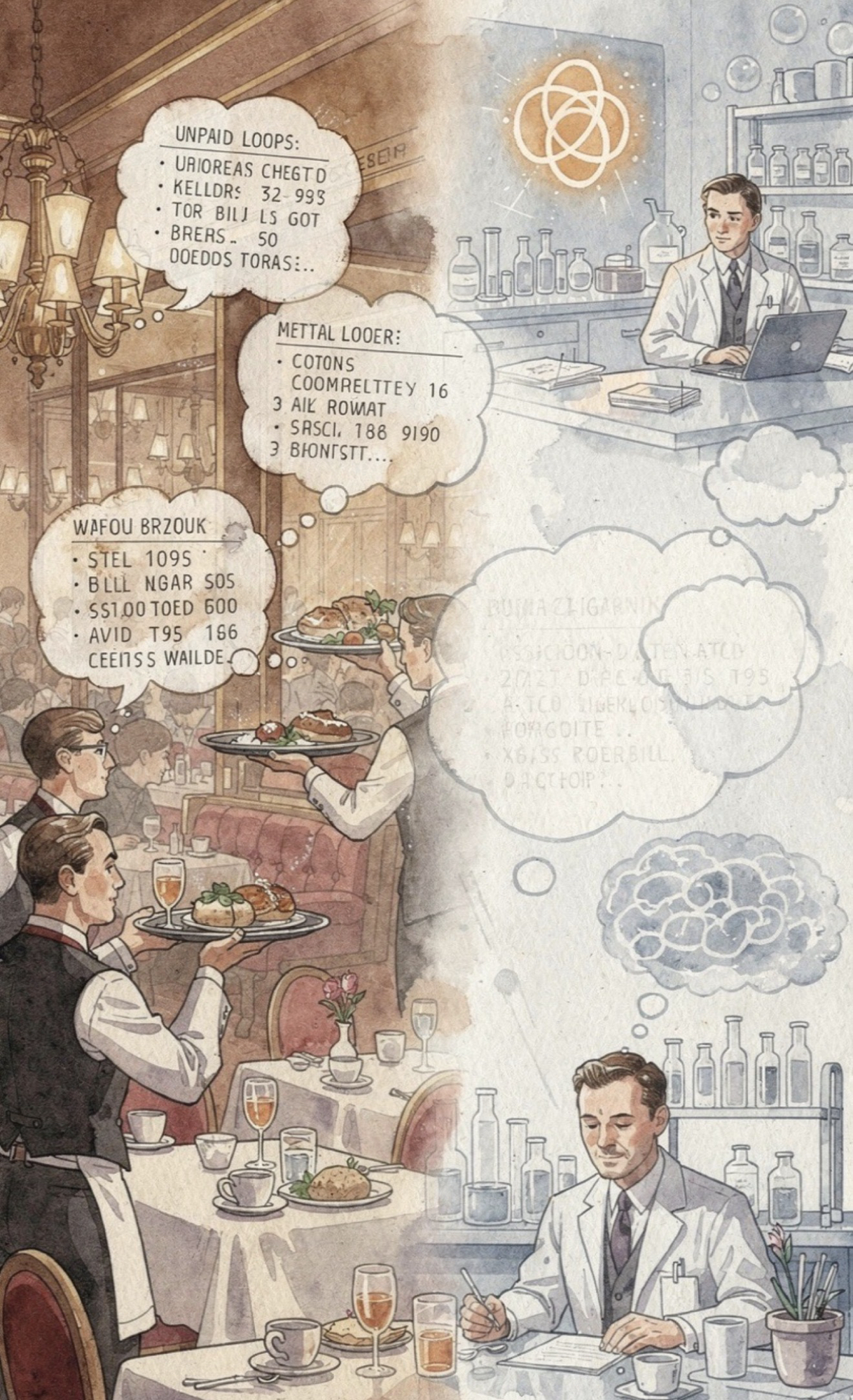
An open mental loop drains your energy the exact same way a background app drains your phone battery. Close the tab.
Intrigued, she brought this into a lab setting. She discovered that our brains are hardwired to remember incomplete or interrupted tasks far better than completed ones.
When you start a task, your brain creates a state of cognitive tension. This tension acts like an open loop or a mental “tab” running in the background of your mind. The loop stays open, consuming your mental energy and processing power, until you officially close it by finishing the task.
The Hidden Cost of “Open Loops”
In our modern lives, we rarely deal with just one task at a time. We live with dozens of open loops hanging over our heads:
• That text message you opened but forgot to reply to.
• The half-written draft sitting on your desktop.
• The appointment you know you need to schedule but keep putting off.
While one open loop is manageable, accumulating ten or twenty of them creates severe cognitive overload. It operates exactly like a smartphone with too many apps running in the background—your battery drains faster, everything moves a little slower, and you feel exhausted without understanding why.
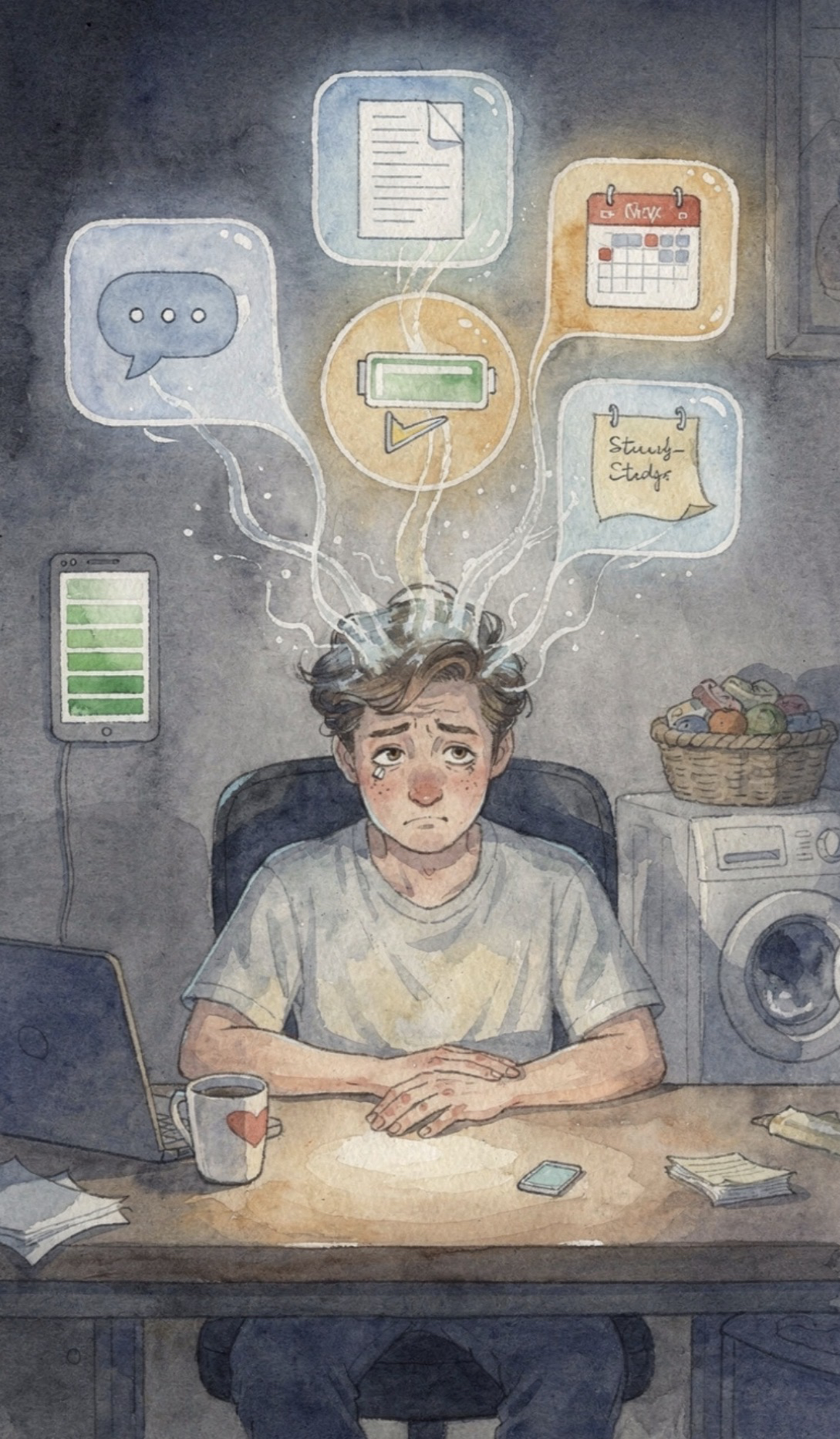
Your exhaustion isn’t always from doing too much; sometimes it’s from carrying the weight of things left half-done.
This low-grade background anxiety is often just your brain desperately trying to remind you of what is left undone.
3 Gentle Ways to Close the Loops and Reclaim Your Calm
You don’t need to finish every single project on your to-do list today to find relief. You just need to trick your brain into lowering its defenses. Here are three practical ways to quiet the cognitive noise:
1. Master the “Brain Dump”
When your brain keeps nagging you about unfinished tasks, it’s usually because it’s terrified you will forget them. Take five minutes to write down absolutely everything competing for your attention. Moving a task out of your head and onto paper signals to your brain that the information is safe, allowing the subconscious tension to dissolve.
2. Leverage the Power of a “Next Step” Plan
Psychologists have found that you don’t actually have to complete a task to satisfy the Zeigarnik Effect; you just need a concrete plan for how you will finish it. If a project is too big to tackle right now, write down the exact date, time, and first small step you will take to address it. Once the plan is set, your brain marks it as “handled” for the moment.
3. Use the 2-Minute Rule
If an open loop takes less than two minutes to complete—like putting your shoes in the closet, replying with a quick “Yes, thank you,” or watering a plant—do it immediately. Eliminating these tiny micro-tasks before they can form an open loop keeps your mental desktop clean and preserves your daily energy.

The smallest undone tasks often make the loudest background noise.
When the Mental Noise Becomes Too Loud
While a cluttered mind is a normal reaction to a busy life, there comes a point where open loops and constant background noise turn into something much heavier.
When stress goes unaddressed, it creates a cascading effect on both your mind and body.
You might find that your sleep begins to suffer, your patience wears thin over minor inconveniences, or you feel a persistent, underlying sense of dread that doesn’t fade even when your to-do list is empty.
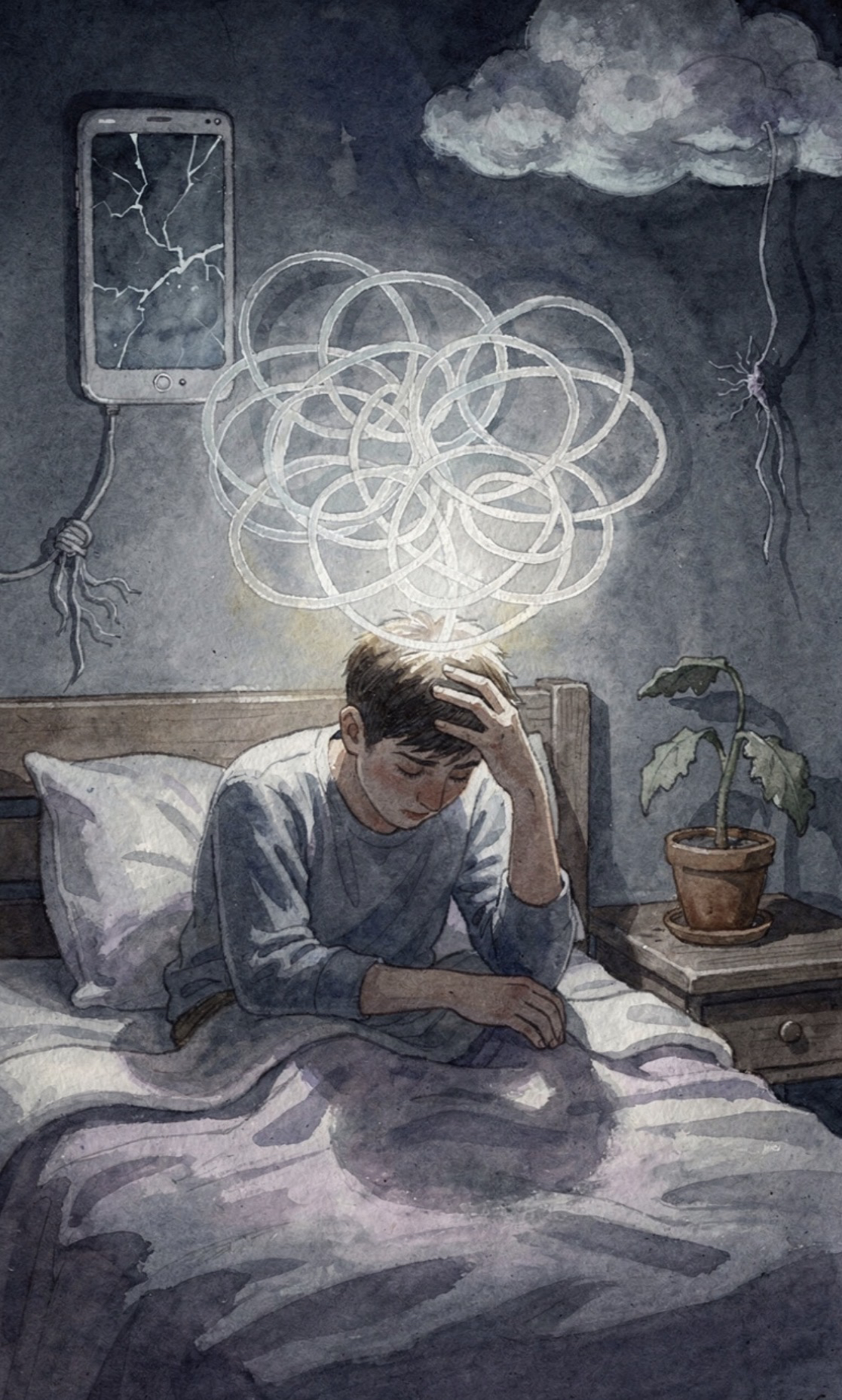
Peace of mind isn’t found in a cleared schedule; it’s found in a cleared mind.
When everyday mental fatigue transforms into emotional exhaustion, it is a clear sign that your internal resources are being entirely depleted.
Knowing When to Seek Professional Help
It is incredibly important to recognize when these symptoms cross the line from standard daily overwhelm into something that requires outside support. If you find yourself completely paralyzed by tasks, experiencing frequent panic or physical symptoms of anxiety, or noticing that your relationships and daily functioning are starting to suffer, it is time to reach out to a professional.

The heavy weight you feel at the end of the day isn’t just physical fatigue—it’s cognitive clutter.
Seeking help from a therapist or counselor isn’t a sign of failure—it is a proactive, courageous step toward reclaiming your life. A professional can provide you with targeted, personalized tools to quiet a hyper-aroused nervous system and help you navigate the heavier seasons of life safely.
Don’t forget to follow our page and improve your understanding of human thoughts & emotions on our website.
— Happy Reading from Tia —
Leave a Reply