Disclosure: This post contains affiliate links at no extra cost to you.
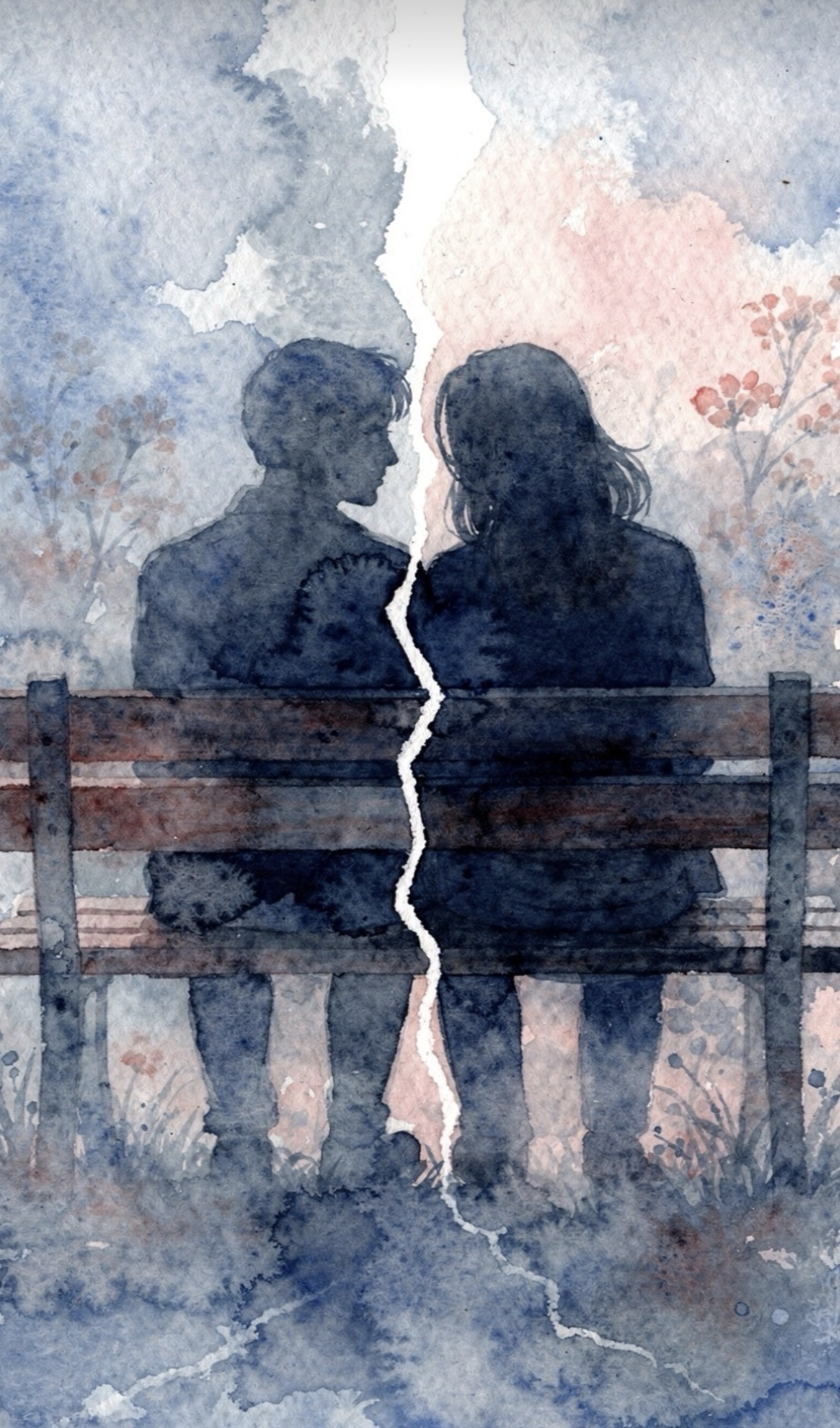
Childhood experiences play a major role in shaping a person’s emotions, behavior, and relationships. When someone grows up in an environment filled with fear, neglect, criticism, or emotional pain, those experiences can leave lasting effects. Even in adulthood, childhood trauma can influence how people connect with others, handle emotions, and build relationships.
Understanding these emotional effects can help people recognize unhealthy patterns and move toward healthier and more peaceful relationships.
1. What Is Childhood Trauma?
Childhood trauma refers to painful or stressful experiences during early life.
These may include emotional neglect, family conflict, harsh treatment, bullying, abandonment, or growing up in an unstable environment.
Such experiences can affect emotional development and create long-term emotional struggles.
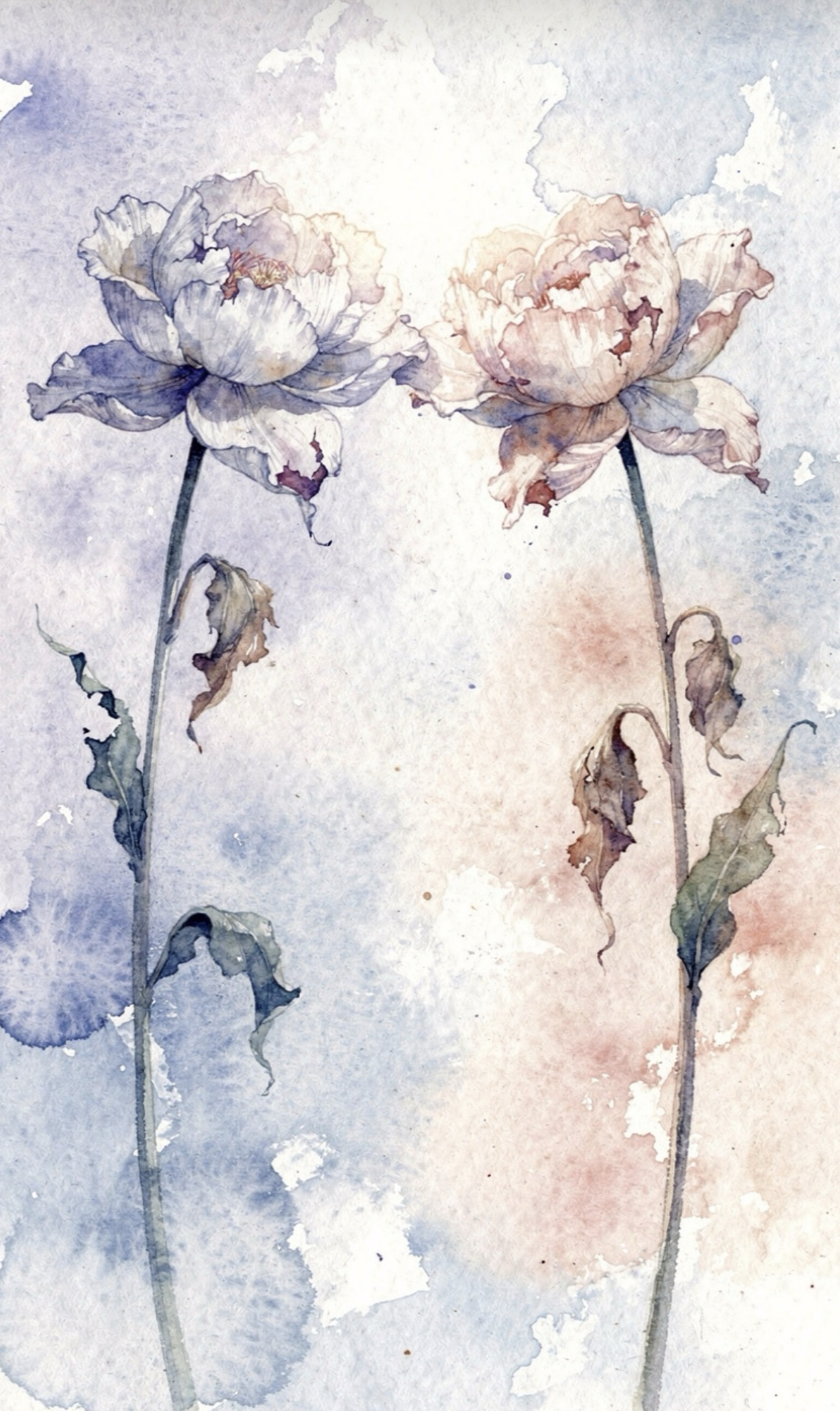
Early pain shapes later patterns, especially in how we feel and connect.
Sometimes these emotional wounds remain hidden for years and only become noticeable in close relationships later in life.
2. Difficulty Trusting Others
One of the most common effects of childhood trauma is difficulty trusting people. A person who experienced disappointment or emotional neglect during childhood may struggle to feel secure in relationships.
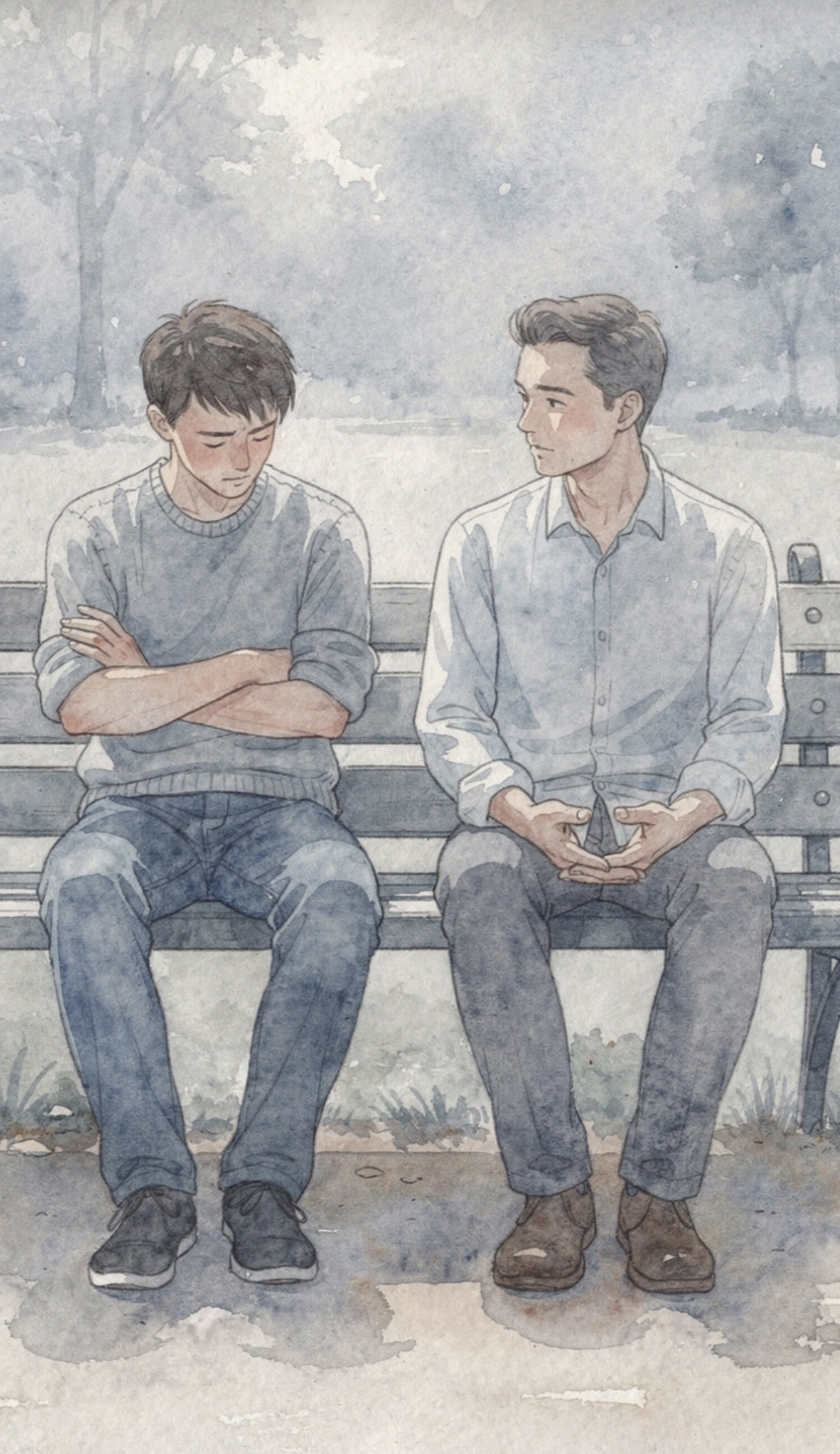
Childhood disappointment often turns into adult hesitation in trusting others.
They may:
- Fear being left alone
- Worry too much about small problems
- Become emotionally distant
- Need constant reassurance
- Expect disappointment from others
These reactions often develop as a way to protect themselves from emotional pain.
3. Fear of Emotional Closeness
People affected by childhood trauma may find it hard to feel emotionally comfortable with others. Some avoid sharing their feelings because they fear being hurt or misunderstood.
Others become overly dependent because they fear losing the people they care about.
This can create emotional distance and misunderstandings in relationships.
4. Communication Challenges
Childhood trauma can also affect communication skills. Some people grow up in homes where emotions were ignored or criticized, making it difficult for them to express feelings in a healthy way.

A child who is not heard often grows into an adult who struggles to speak openly.
This may lead to:
- Avoiding serious conversations
- Staying silent during disagreements
- Emotional frustration
- Frequent misunderstandings
- Difficulty explaining feelings calmly
Healthy communication often becomes difficult when emotional safety was missing during childhood.
5. Low Self-Confidence and Relationship Anxiety
Traumatic childhood experiences can affect self-confidence.
A person may grow up believing they are not good enough or not deserving of care and respect.
These negative thoughts can continue into adult relationships.
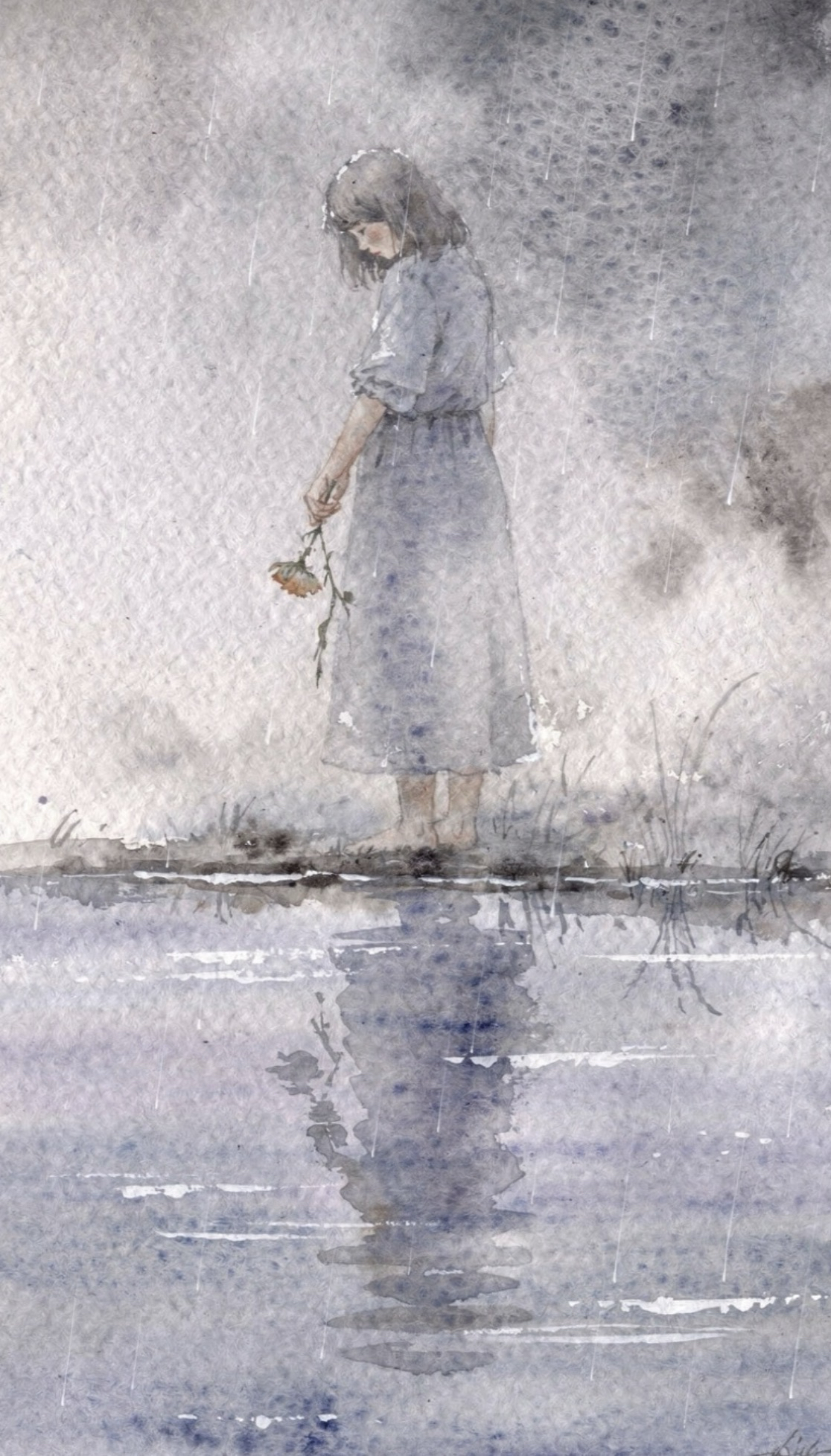
When a child feels unworthy, those beliefs can follow them into adulthood.
People with low self-confidence may:
- Stay in unhealthy relationships
- Accept disrespectful behavior
- Constantly seek approval
- Compare themselves to others
- Feel insecure about relationships
These emotional struggles can create stress and anxiety in relationships.
6. Repeating Unhealthy Patterns
Many people unknowingly repeat emotional patterns they experienced during childhood. If someone grew up around constant conflict, emotional distance, or unhealthy behavior, those situations may begin to feel familiar later in life.
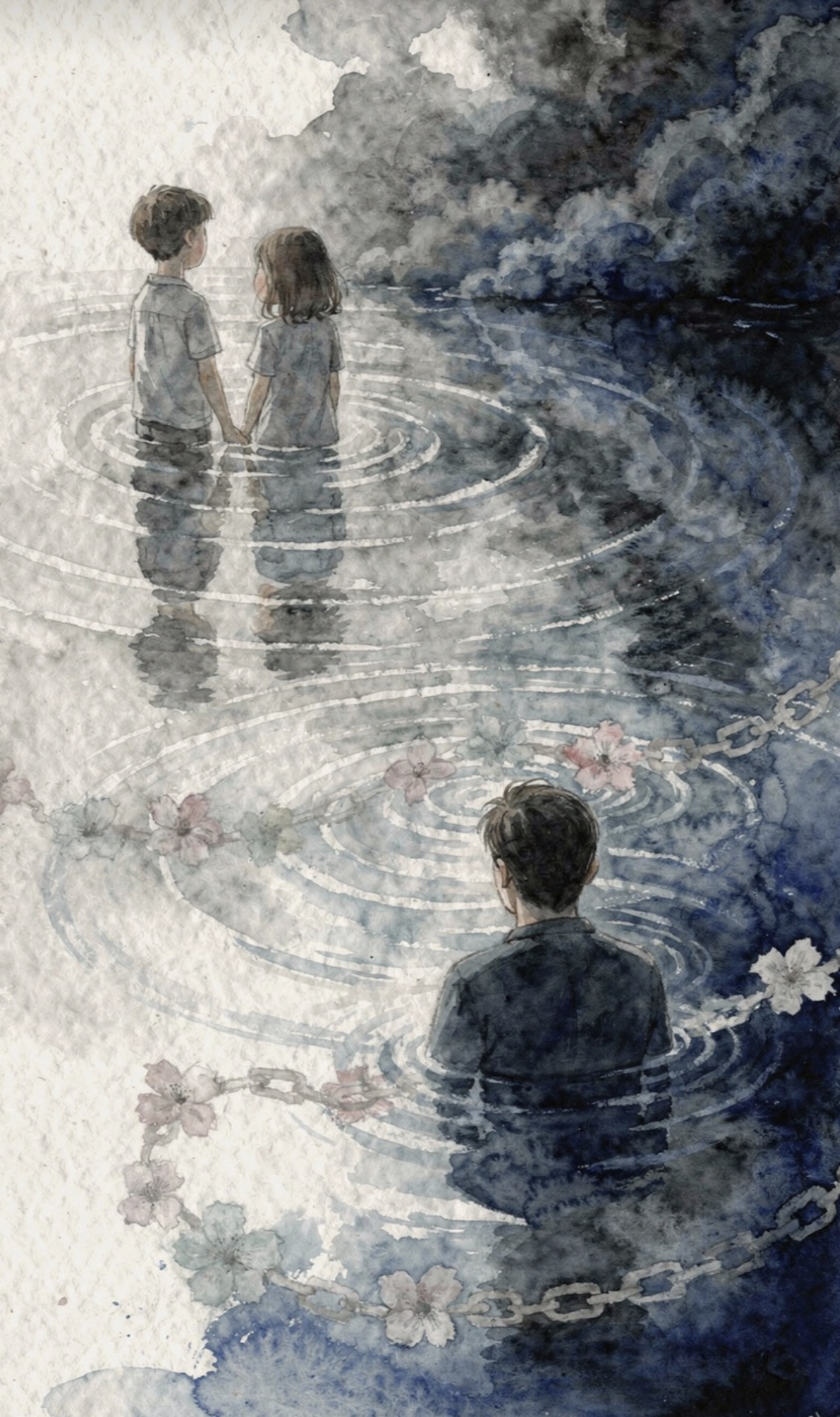
Familiarity can sometimes pull us back into unhealthy emotional patterns.
Without emotional awareness, these patterns can continue from one relationship to another.
When to Seek Professional Help

When emotional struggles feel heavy, support can help lighten the load.
Sometimes emotional struggles become too difficult to manage alone. If childhood experiences continue to affect daily life, relationships, emotional well-being, or self-confidence, seeking professional support can be helpful. A trained counselor or therapist can provide guidance, emotional understanding, and healthy coping strategies. Asking for help is not a sign of weakness; it is a positive step toward emotional healing, personal growth, and healthier relationships.
Click here to explore professional therapy support and start your healing journey.
Therapy can help individuals and couples improve emotional well-being, communication, and relationship challenges in a safe and supportive environment. The platform offers weekly live sessions through video, voice, or text, unlimited messaging, CBT worksheets, wellness activities, meditation videos, and secure confidential support. Premium plans also include extra live sessions and faster replies.
Don’t forget to follow our page and improve your understanding of human thoughts & emotions on our website.
— Happy Reading from Tia —
Leave a Reply