Disclosure: This post contains affiliate links at no extra cost to you.
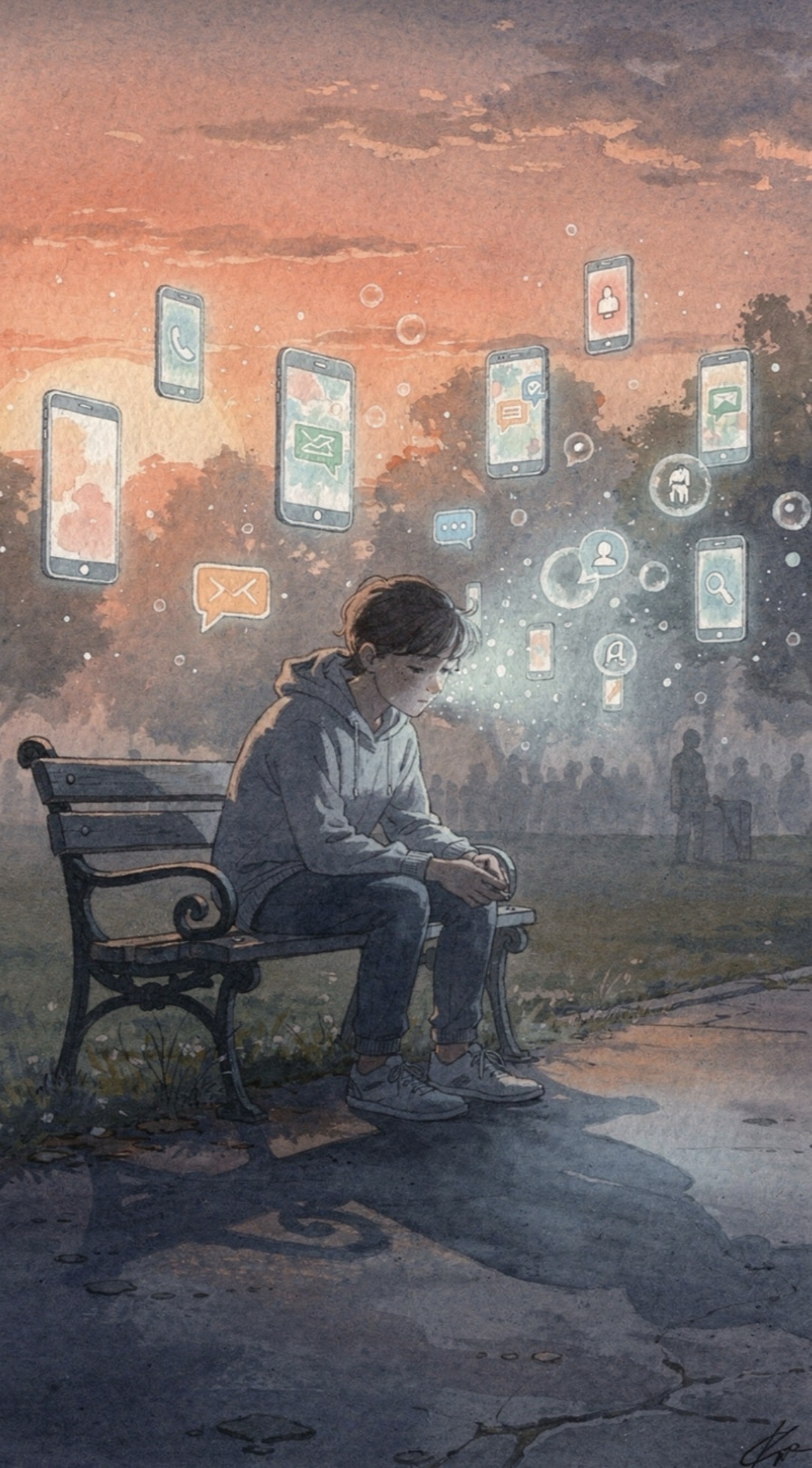
We live in a world where communication has never been easier. People can send messages instantly, video call across continents, and stay connected through social media every hour of the day. Yet despite this constant interaction, many individuals feel emotionally disconnected, unseen, and misunderstood.
This emotional disconnect has quietly become one of the biggest psychological struggles of today’s generation.
Technology has increased communication, but genuine emotional understanding has become harder to find.
1. The Illusion of Digital Connection
Social media and technology create the feeling that everyone is connected all the time. Notifications, likes, comments, and online conversations give temporary interaction, but they do not always create emotional closeness.
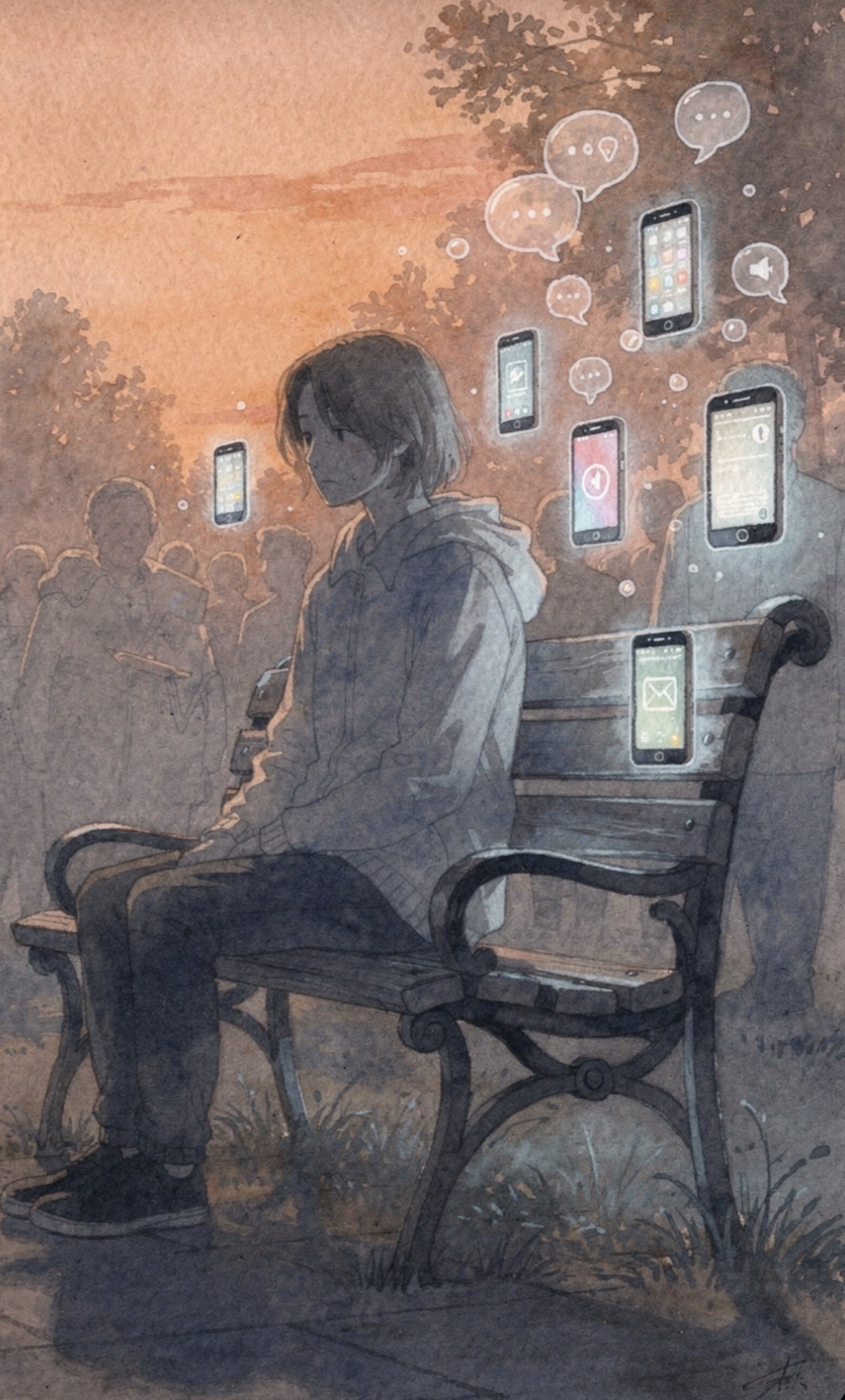
People have never communicated more and listened less.
Many people spend hours communicating online while still feeling lonely inside. Conversations have become shorter, attention spans weaker, and emotional depth rarer. In many cases, people are surrounded by interaction but starved of real understanding.
2. Why Emotional Understanding Is Disappearing
Modern life moves quickly, and emotional connection often gets lost in distractions.
People are constantly multitasking, scrolling, replying quickly, and consuming endless information. As a result, many conversations lack emotional presence.
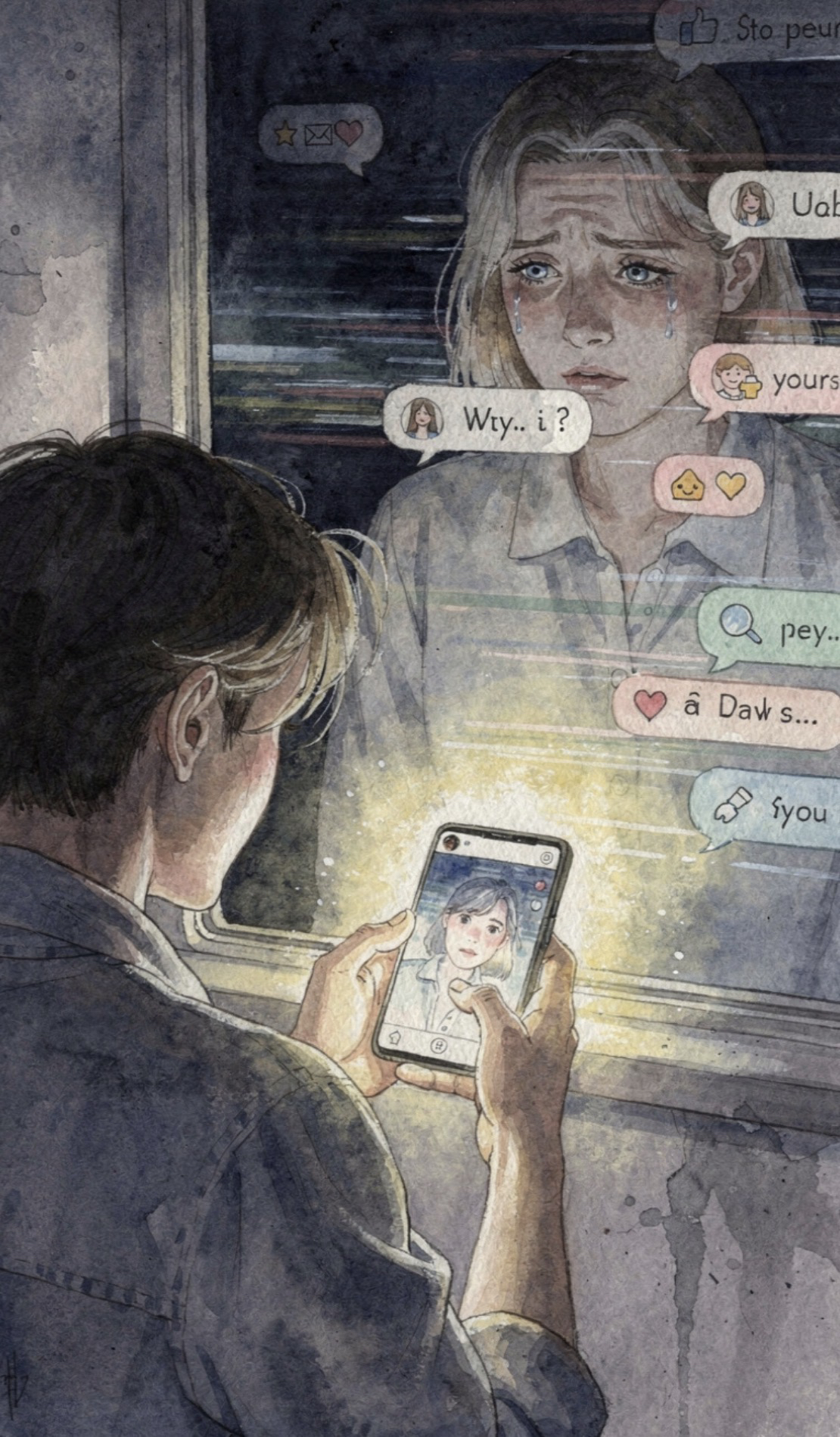
Filtered lives often hide unspoken emotional pain.
Social media also encourages people to show only the best parts of their lives.
Struggles, fears, insecurities, and emotional pain are often hidden behind filtered images and curated personalities.
This makes authentic connection more difficult because people stop feeling safe enough to be emotionally honest.Over time, individuals may begin to feel emotionally isolated even when they are socially active online.
3. Psychological Symptoms of Emotional Disconnection
Emotional disconnection can slowly affect mental and emotional well-being. Some common psychological and emotional symptoms include:
• Constant Feelings of Loneliness
A person may talk to many people daily but still feel emotionally alone and unsupported.
• Overthinking and Emotional Exhaustion
When emotions remain unexpressed or misunderstood, the mind often becomes overwhelmed with constant thoughts and emotional stress.
• Feeling Unseen or Unheard
Many individuals feel like nobody truly understands their emotions, even when they try to communicate.
• Increased Anxiety and Stress
Emotional isolation can increase anxiety, emotional tension, and mental fatigue over time.
• Difficulty Forming Deep Connections
Some people begin struggling to trust others emotionally or maintain meaningful relationships.
• Seeking Validation Online
Many individuals start depending on likes, replies, and online attention to feel emotionally valued.
• Emotional Numbness
When emotional needs are ignored for too long, people may begin suppressing feelings and disconnecting emotionally from themselves and others.
4. The Difference Between Communication and Connection
Communication is not the same as emotional connection. A person can exchange messages all day and still feel misunderstood. True connection requires empathy, listening, emotional safety, and presence.

Communication exchanges words, but connection exchanges understanding.
Human beings naturally need to feel heard, valued, and emotionally accepted. One meaningful conversation can often provide more comfort than hundreds of shallow interactions online.
5. How to Rebuild Genuine Emotional Connection
Rebuilding emotional connection starts with being more emotionally present in everyday interactions. Listening carefully, expressing empathy, and creating space for honest conversations can strengthen relationships.

Sometimes the greatest form of connection is simply being fully present.
Reducing constant digital distractions can also help people reconnect emotionally with themselves and others. Genuine connection grows when people feel safe enough to be authentic without fear of judgment.
When to Seek Professional Help
Sometimes emotional disconnection becomes overwhelming and begins affecting daily life, relationships, sleep, confidence, or mental health. Seeking professional support can help individuals better understand their emotions and rebuild emotional well-being.

Seeking help is not giving up — it is choosing to heal properly.
You should consider seeking professional help if:
- Feelings of loneliness or sadness become constant
- Anxiety and overthinking feel uncontrollable
- Emotional exhaustion affects daily functioning
- You struggle to express emotions or connect with others
- You feel emotionally numb for long periods
- Stress begins affecting sleep, work, or relationships
- You feel hopeless, isolated, or mentally overwhelmed
Therapists and mental health professionals can provide emotional guidance, coping strategies, and a safe space for healing and self-understanding.
Click here to connect with a mental health professional and begin your journey toward emotional healing and genuine connection.
Don’t forget to follow our page and improve your understanding of human thoughts & emotions on our website.
— Happy Reading from Tia —
Leave a Reply