Disclosure: This post contains affiliate links at no extra cost to you.
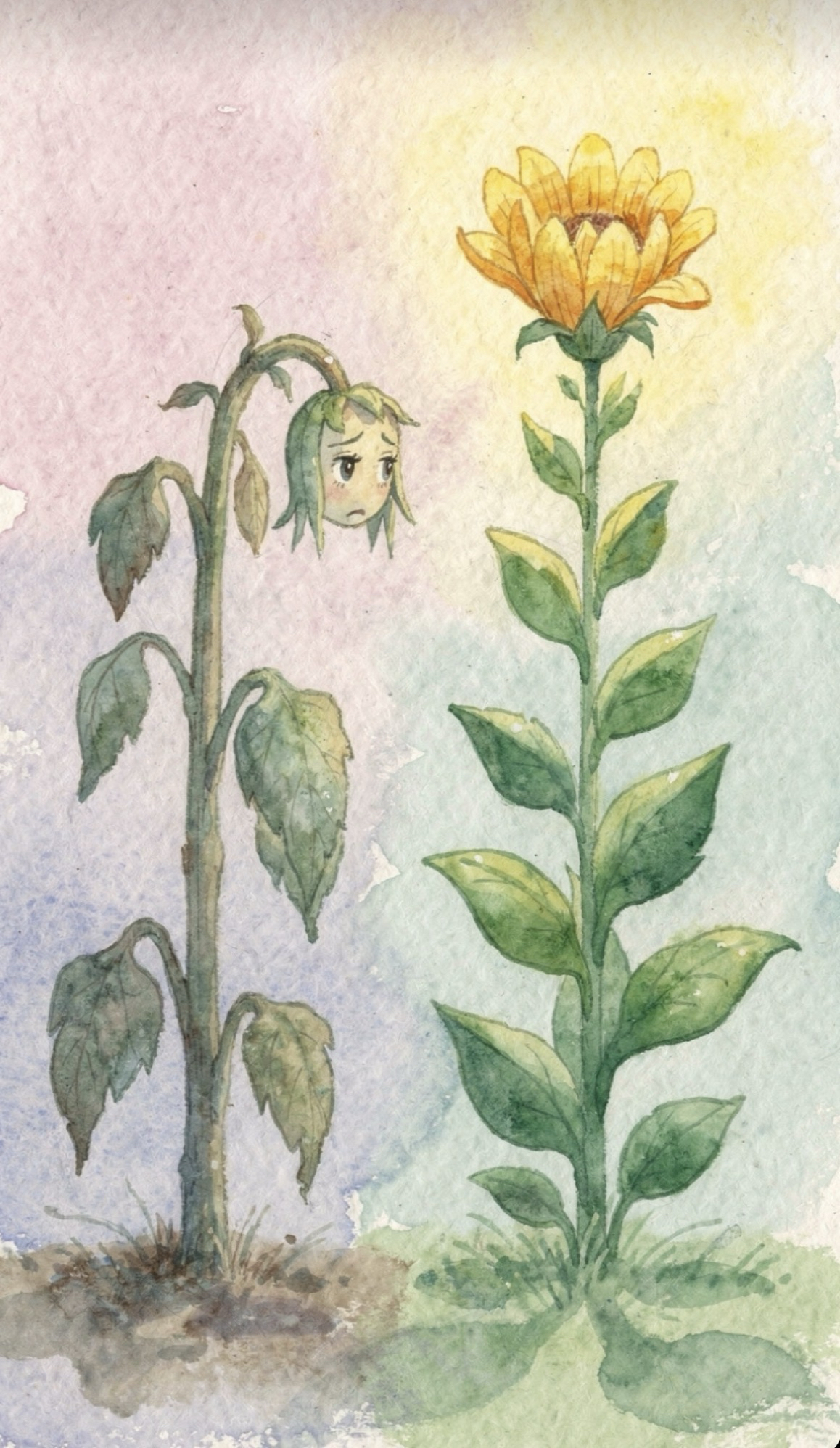
We live in a world where comparison has become almost automatic. Every day, people scroll through carefully edited photos, success stories, relationships, achievements, and lifestyles online. Without realizing it, many begin measuring their own worth against what they see. Slowly, comparison turns into self-doubt, emotional pressure, and sometimes even jealousy.
Understanding the Emotional Weight of Comparison
A soft and peaceful mind cannot truly grow in an environment built on constant comparison.
Emotional growth happens when a person learns to understand themselves instead of competing with everyone around them.
The more we compare our lives to others, the more disconnected we become from our own identity, goals, and inner peace.
Comparison often creates the illusion that everyone else is happier, more successful, more beautiful, or more fulfilled. But social media rarely shows loneliness, insecurity, stress, failure, or emotional struggles.
People usually share their highlights, not their hardest moments.
Comparing your real life to someone else’s curated moments can quietly damage mental and emotional well-being over time.
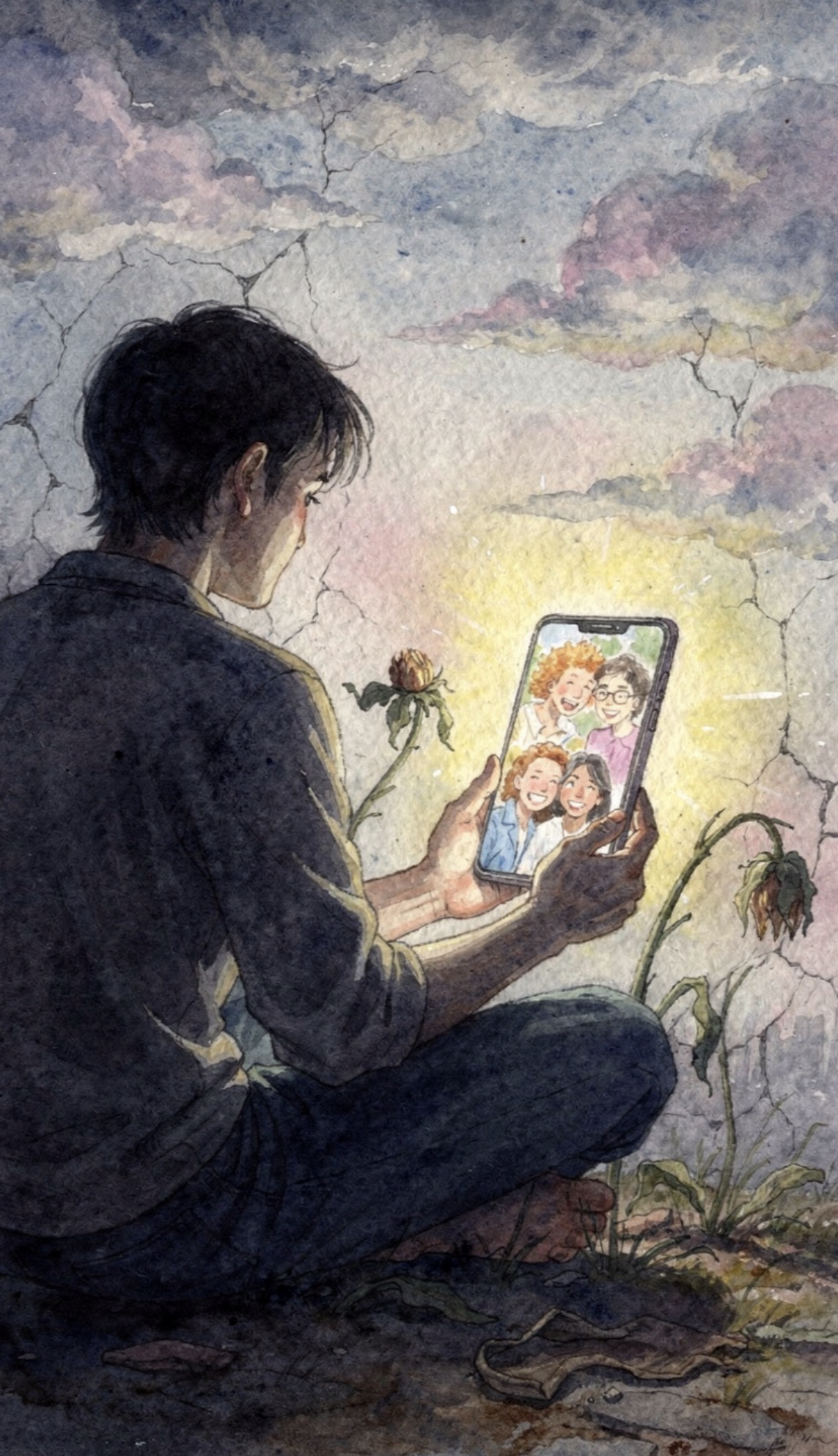
Comparison steals peace by making us forget how far we’ve already come.
Jealousy itself is not always negative. In many cases, it is simply an emotional signal. It may reveal personal insecurities, unmet emotional needs, fear of being left behind, or dreams you secretly wish to achieve yourself. The goal is not to shame yourself for feeling jealous. The goal is to understand the emotion in a healthy and self-aware way.
Signs and Symptoms of Unhealthy Comparison
Comparison does not always appear loudly. Sometimes it quietly affects thoughts, emotions, and behavior without being noticed immediately. Here are some common emotional and mental signs:
- Constantly Comparing Your Life to Others
You may compare your appearance, achievements, relationships, money, productivity, or lifestyle to people online or around you. Even small moments can trigger feelings of “not being enough.
- Feeling Insecure After Social Media Use
Instead of feeling inspired, social media leaves you emotionally drained, anxious, or dissatisfied with your own life.
- Difficulty Feeling Happy for Others
When someone succeeds, receives attention, or achieves something important, you may feel irritated, upset, or emotionally uncomfortable instead of genuinely happy for them.
- Low Self-Esteem
Comparison slowly weakens confidence. You may begin focusing only on your flaws while ignoring your strengths and progress.
- Overthinking and Self-Doubt
You constantly question your worth, appearance, intelligence, success, or future because you feel “behind” compared to others.
- Seeking Constant Validation
You may depend heavily on likes, compliments, attention, or approval from others to feel valuable.
- Emotional Exhaustion
Trying to keep up with unrealistic standards can create stress, burnout, sadness, and emotional fatigue.
- Losing Sight of Personal Goals
Instead of focusing on your own growth, you begin chasing what looks successful or impressive to other people.
Why Comparison Can Become Emotionally Harmful
Human beings naturally notice differences between themselves and others. However, unhealthy comparison becomes harmful when self-worth depends entirely on being “better” than someone else.
Constant comparison can lead to:
- Anxiety and emotional stress
- Insecurity and low confidence
- Jealousy and resentment
- Negative self-image
- Perfectionism
- Fear of failure
- Social withdrawal
- Emotional burnout
Over time, a person may stop appreciating their own achievements because someone else always appears to be doing “more.” This creates a cycle where peace becomes impossible because there will always be someone richer, prettier, smarter, or more successful.
How to Correct Jealousy and Comparison in a Healthy Way
Healing from comparison does not happen overnight. It requires self-awareness, emotional honesty, and intentional daily habits. Small changes in thinking and routine can slowly rebuild confidence and inner peace.
Practice Self-Awareness
Instead of ignoring jealous feelings, ask yourself:
- What exactly triggered this emotion?
- What insecurity is hiding underneath it?
- Is this something I truly want, or am I influenced by others?
Understanding emotions is healthier than suppressing them.

A changed mind no longer asks, ‘Why not me?’ — it asks, ‘What’s meant for me?
1. Reduce Unhealthy Social Media Consumption
Taking breaks from comparison-triggering content can improve mental clarity. Curate your online space carefully and follow content that feels peaceful, realistic, and encouraging.
2. Focus on Personal Progress
Growth becomes healthier when you compare yourself only to your past self instead of strangers online. Small progress still matters.
3. Learn Gratitude
Gratitude helps shift attention away from what is missing toward what already exists in your life. Appreciating simple blessings can create emotional stability and calmness.
4. Stop Measuring Worth Through Productivity
Your value is not based only on achievements, appearance, or attention. Rest, peace, kindness, and emotional balance are important too.
5. Celebrate Other People Without Competing
Someone else succeeding does not reduce your potential. Life is not a limited competition where only one person can grow.
6. Build Confidence Through Real-Life Activities
Journaling, hobbies, exercise, learning new skills, reading, and spending time offline can help reconnect you to your own identity.
When to Seek Professional Help

There is strength in choosing healing before emotional exhaustion takes over.
Sometimes comparison and jealousy become deeply connected to anxiety, depression, self-esteem issues, or emotional trauma. Seeking professional support can be very helpful if:
- Comparison affects daily life constantly
- You feel emotionally overwhelmed most of the time
- Jealousy causes relationship problems
- You experience ongoing sadness or anxiety
- You struggle with self-worth regularly
- Social media strongly impacts mental health
- Negative thoughts become difficult to control
- You begin isolating yourself emotionally or socially
Therapists, counselors, and mental health professionals can help identify deeper emotional patterns and teach healthier coping strategies. Seeking support is not weakness — it is a step toward emotional understanding and healing.
Healing begins with understanding yourself. If these feelings are becoming difficult to manage, click here to connect with a mental health professional and receive supportive guidance.
Don’t forget to follow our page and improve your understanding of human thoughts & emotions on our website.
— Happy Reading from Tia —
Leave a Reply