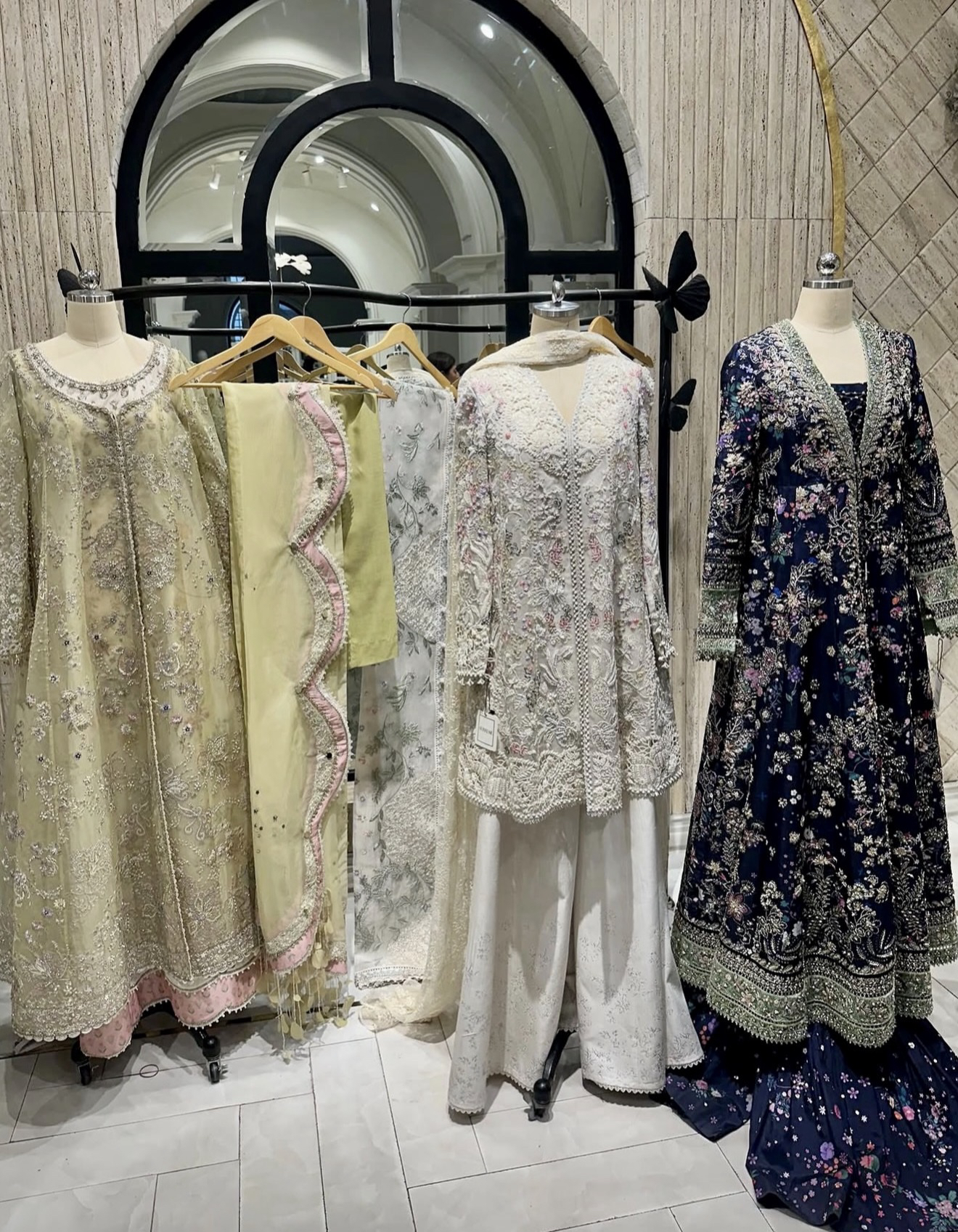
Pakistani bridal fashion has quietly become one of the most influential forces in South Asian couture. What started as regional craftsmanship rooted in Mughal-era embroidery techniques has evolved into a global luxury industry, with Pakistani designers now dressing celebrities, royalty, and elite families across the Middle East, the UK, and even India.
The appeal isn’t accidental. Pakistani bridal wear is known for its restraint-meets-opulence approach — deep reds, gold zardozi, hand-embroidered dupattas that take months to finish, and silhouettes that feel regal without being overdone.
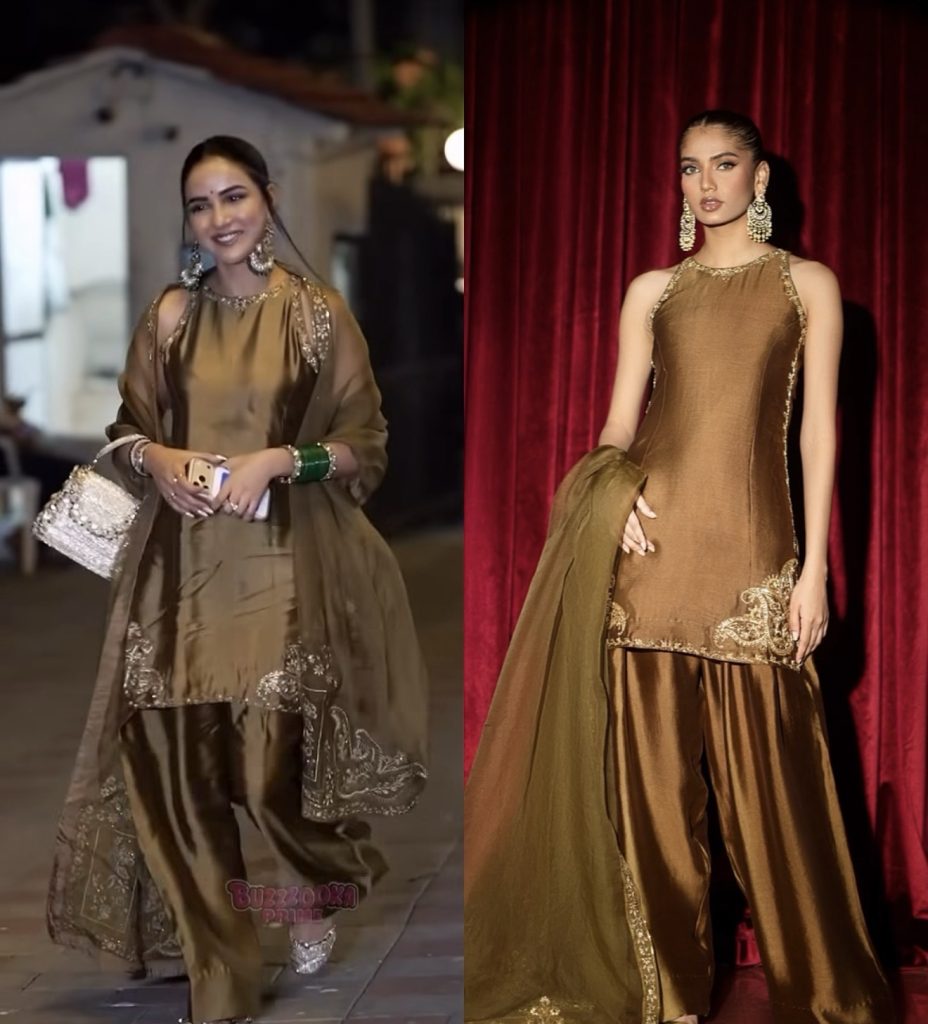
Olive gold sharara set — cape sleeves & intricate zardozi, spotted on an Indian actress
Unlike some heavily sequinned, mass-produced bridal lines, top Pakistani designers still rely on karigars (master artisans) who hand-embroider every piece, which is exactly why prices run so high.
In India, Pakistani designer lehengas have developed a cult following. Despite the two countries’ complicated trade relationship — direct commercial imports between India and Pakistan have been restricted for years — Indian brides still source these outfits through Dubai, London, and other international hubs, or via international pop-up exhibitions and multi-designer stores abroad.
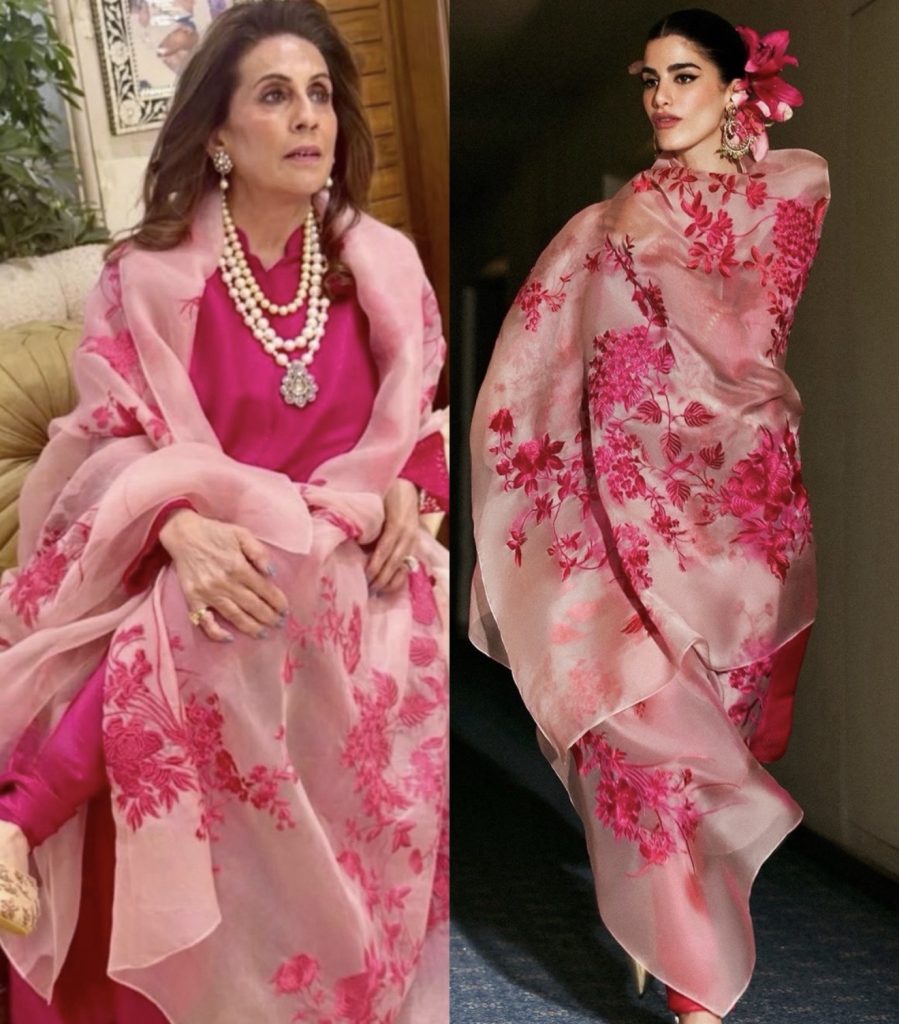
Blush pink organza dupatta, hand-embroidered florals — elegant & effortless
The craftsmanship, the distinctly different colour palettes, and the “not the same lehenga everyone else is wearing” factor are the biggest draws.
Here’s a breakdown of seven of Pakistan’s most sought-after — and expensive — bridal couture houses.
(Note: The prices below are market-estimated ranges based on available reporting and retailer information, not official published price lists. Bridal couture is almost always custom-quoted, so actual costs vary by fabric, embroidery hours, and customization. USD conversions are approximate, based on current exchange rates of roughly 1 USD = 278 PKR.)
1. Sania Maskatiya
Outlets: Karachi, Lahore, Islamabad, and Dubai (via Ensemble stores) Style: Known for signature prints and contemporary silhouettes layered over traditional bridal structures — think modern cuts with heavy hand embroidery in velvet, organza, and pure silk. Price Range: PKR 300,000–400,000 for pret pieces (~$1,080–$1,440); Bridal lehengas PKR 1,300,000–1,800,000 (~$4,700–$6,500) Typical Customers: Young urban elite brides, celebrities, and NRI/overseas Pakistani clients who want a modern take on tradition.
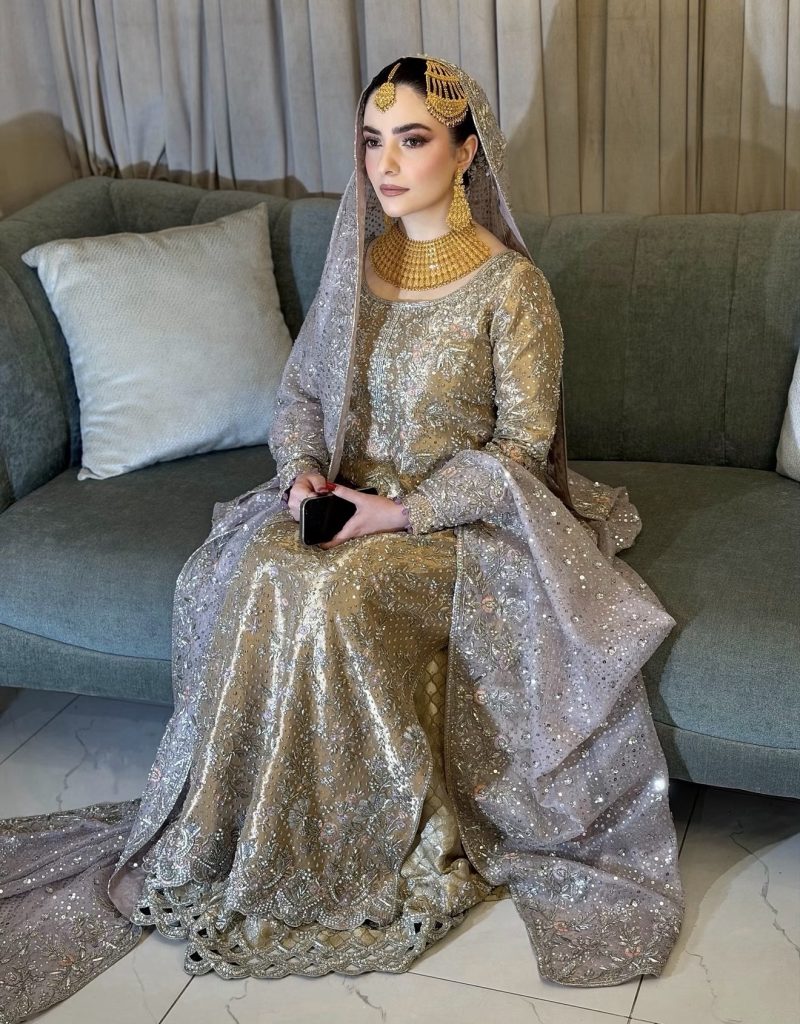
Silver shimmer bridal by Sana Maskatiya — pure Pakistani bridal artistry
Reputation: Considered one of the most recognisable names in Pakistani luxury pret, especially popular with brides who want something less “classic red” and more editorial.
2. Tena Durrani
Outlets: Flagship stores in Karachi and Lahore; stocked internationally in the US and Canada Style: Signature red-and-gold palettes, fusing traditional zardozi with contemporary tailoring. Known for hand-crafted embellishment work. Price Range: Bridal lehengas PKR 1,300,000–1,900,000 (~$4,700–$6,850) Typical Customers: Brides from business families and the diaspora, especially those planning destination or overseas weddings.
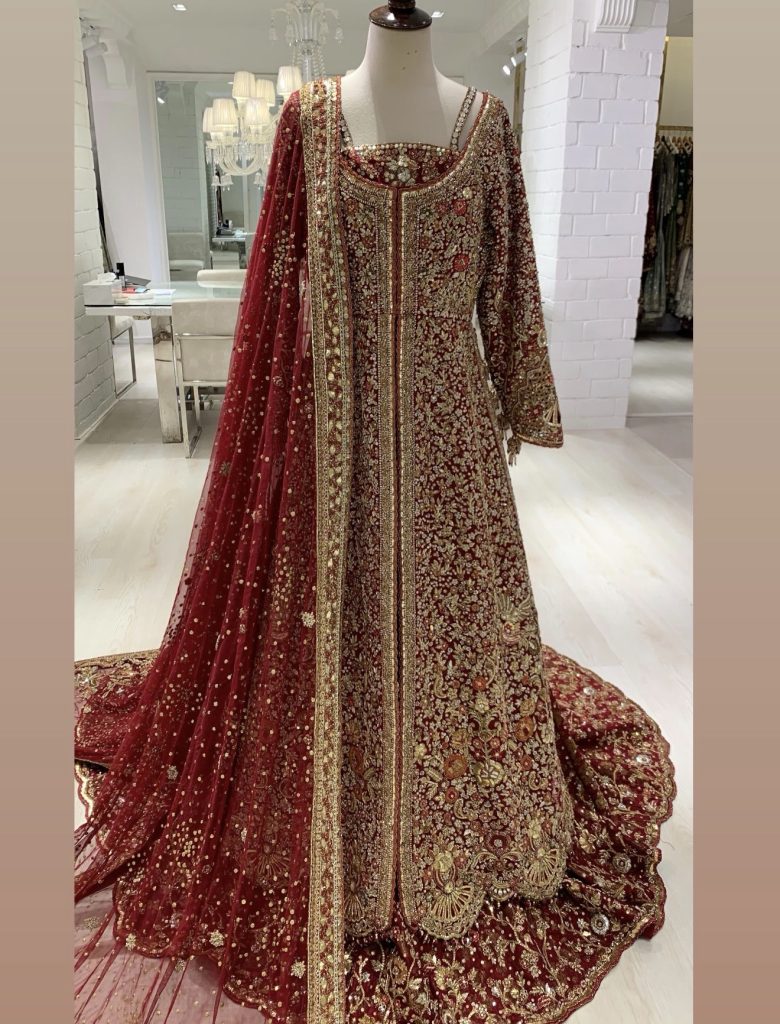
Maroon & gold masterpiece by Tena Durrani — regal, rich, unforgettable
Reputation: One of the most in-demand bridal names for brides who want an unapologetically traditional look with a polished, contemporary finish.
3. HSY (Hassan Sheheryar Yasin)
Outlets: Flagship stores in Karachi and Lahore (“The World of HSY”) Style: The undisputed name for the classic red bridal lehenga — heavy, Mughal-inspired embellishment rooted in traditional wedding customs. Price Range: PKR 1,400,000–2,000,000 (~$5,050–$7,200) Typical Customers: Traditional families, political and business elite, and brides seeking a “timeless” heirloom-style piece.
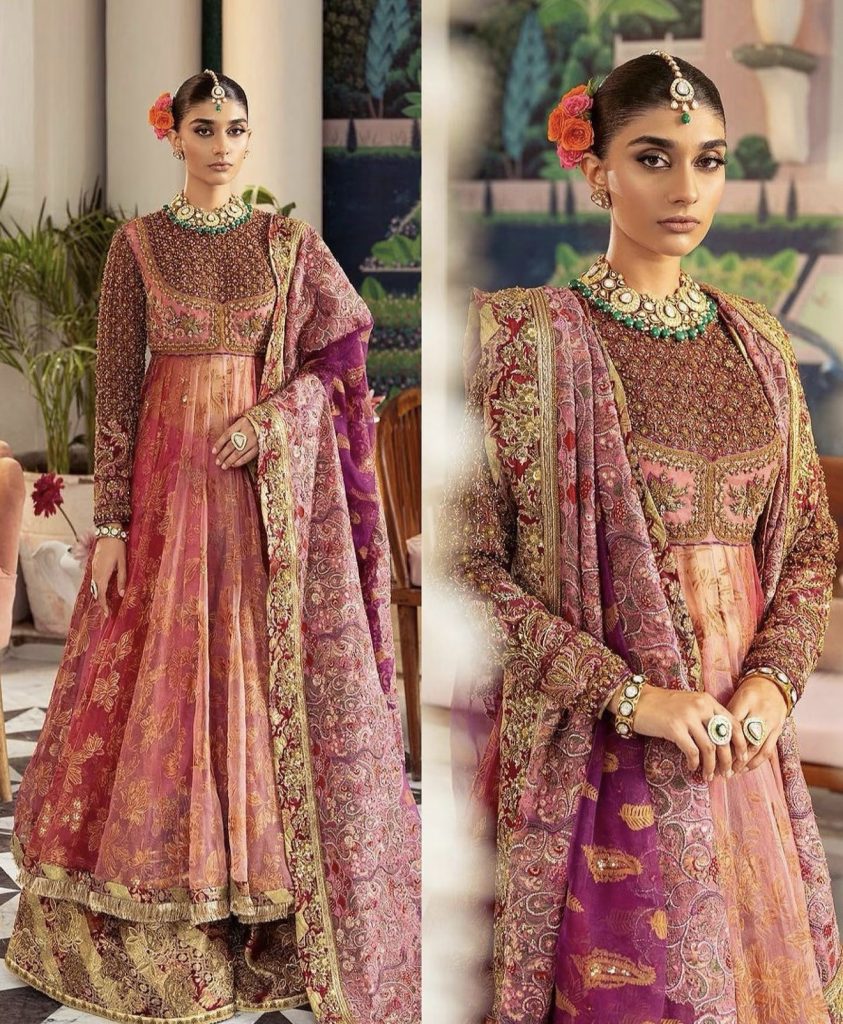
HSY — rust & mauve florals with regal gold embroidery, dreamy garden-bride vibes
Reputation: Often called the king of Pakistani bridal couture; his haute couture line is a benchmark other designers are measured against.
4. Elan
Outlets: Karachi, Lahore, Islamabad Style: Luxury pastel maxis and ghararas alongside classic bridal lehengas — softer palettes than the traditional red-and-gold formula. Price Range: PKR 1,200,000–1,700,000 (~$4,300–$6,100) Typical Customers: Brides who want a departure from tradition — often for Walima or reception looks rather than the main Baraat outfit.
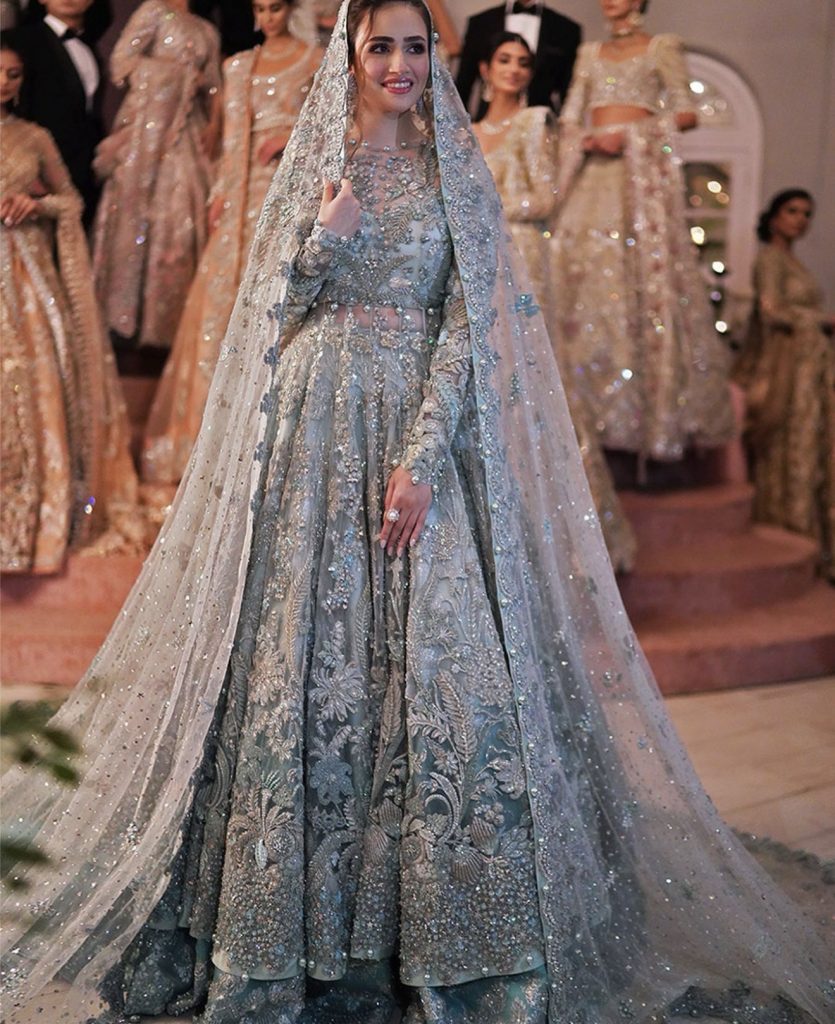
Elan — sage sparkle lehenga dripping in crystals, straight off the runway
Reputation: A leading choice for modern, pastel-toned bridal fashion.
5. Faraz Manan
Outlets: Karachi, Lahore, with international presence in Dubai and London Style: Champagne tones, crystal embellishment, and glamorous, red-carpet-style silhouettes. Price Range: PKR 1,500,000–2,100,000 (~$5,400–$7,550) Typical Customers: Celebrities, socialites, and brides planning Walima looks meant to photograph beautifully.
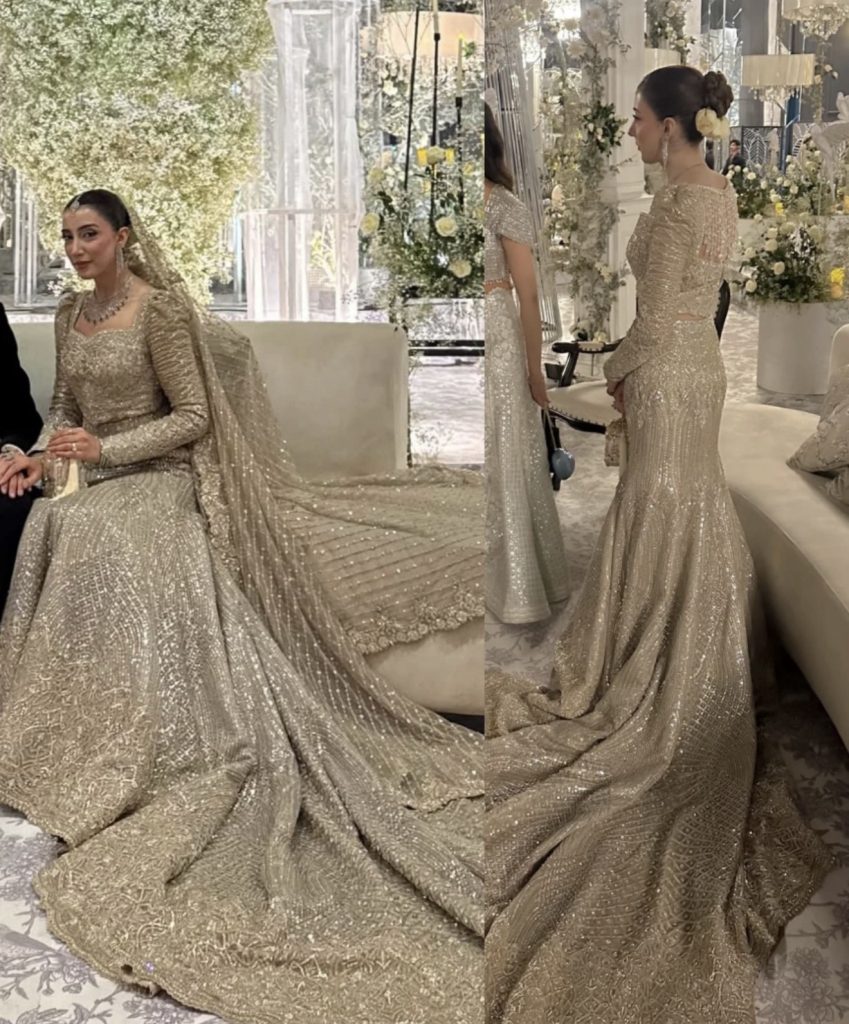
Faraz Manan — champagne gold sequins with a train that goes on forever
Reputation: Beloved for fusing Pakistani craftsmanship with an international, glamorous aesthetic — frequently the choice for stage-ready Walima outfits.
6. Ali Xeeshan
Outlets: Lahore flagship, Karachi Style: Avant-garde and dramatic — bold silhouettes and unconventional bridal styling that breaks from the traditional mould. Price Range: PKR 1,300,000–1,800,000 (~$4,700–$6,500) Typical Customers: Brides who want a statement, non-traditional look; frequently favoured by fashion-forward and celebrity clients.
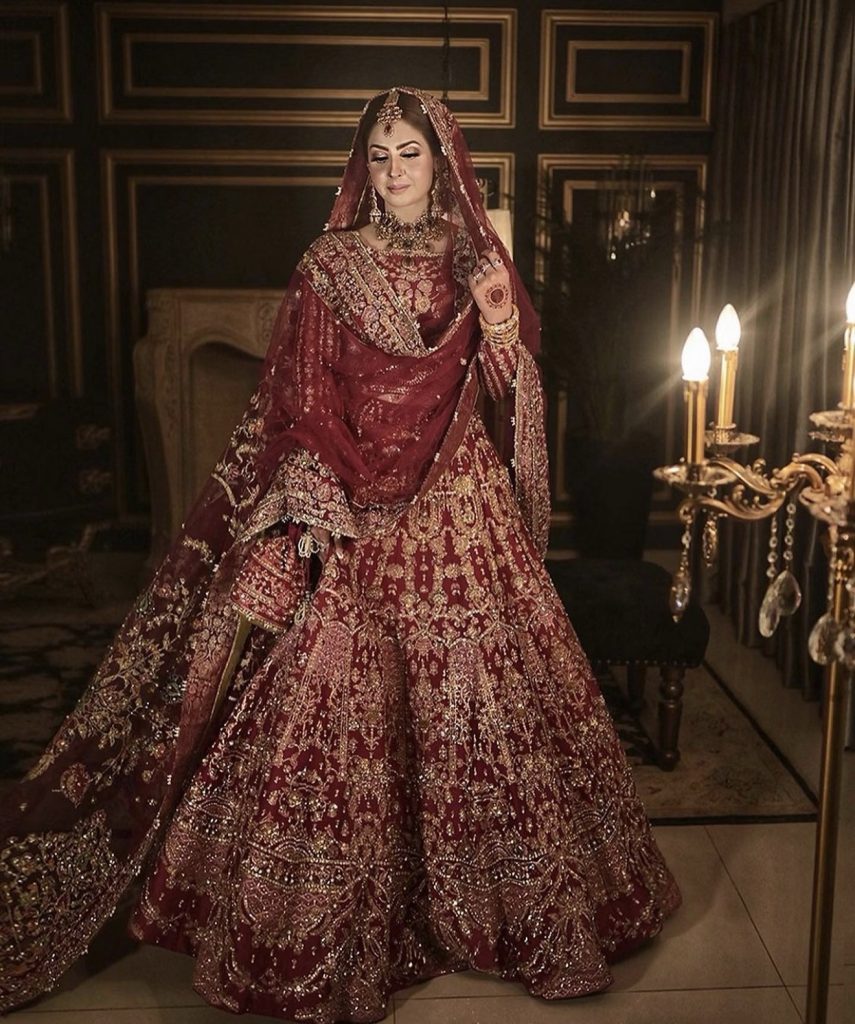
Ali Xeeshan — deep maroon and gold, bold and unapologetically regal
Reputation: Known as one of Pakistan’s most experimental couturiers, pushing bridal fashion into art-piece territory.
7. Bunto Kazmi
Outlets: A single, highly exclusive, appointment-only atelier in Zamzama, Karachi Style: Fully hand-embroidered, Mughal-inspired couture — pieces that can take several months to complete and are designed to become family heirlooms. Price Range: PKR 1,800,000–2,500,000 (~$6,500–$9,000) — widely regarded as the most expensive bridal label in Pakistan Typical Customers: Political families, business dynasties, and the country’s most elite brides — pieces are highly sought after and often booked months in advance.
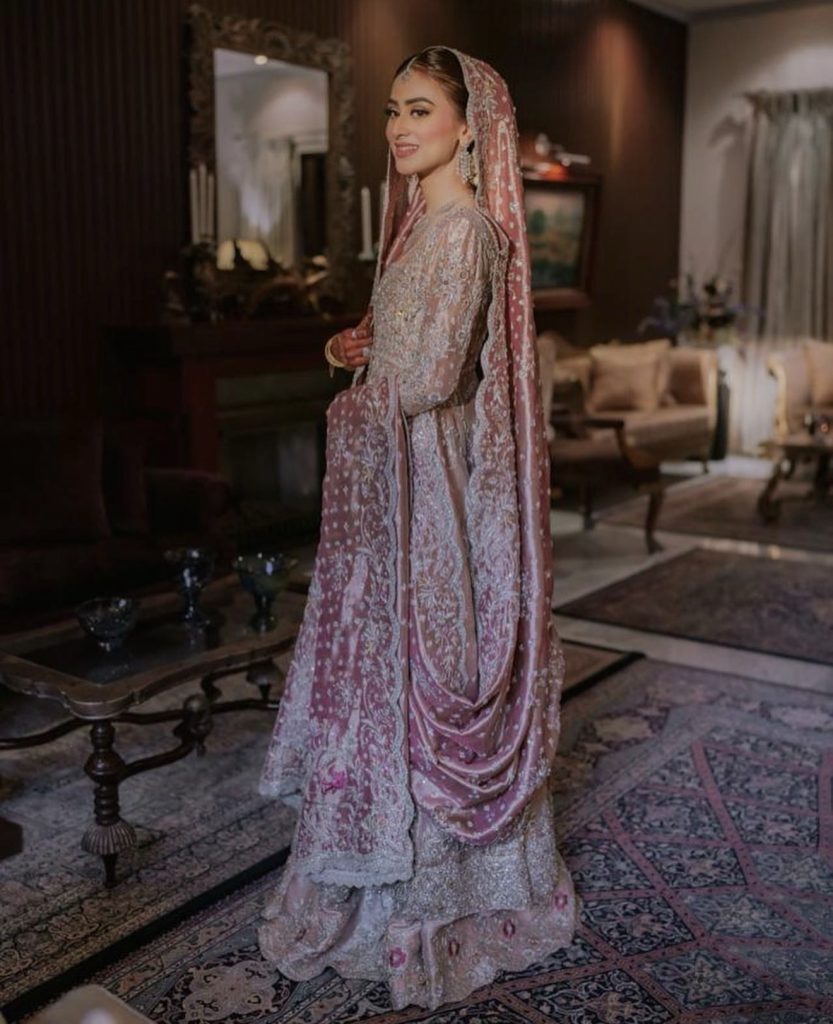
Bunto Kazmi — soft mauve-pink with intricate handwork, timeless bridal elegance
Reputation: Considered the legendary name in Pakistani bridal couture; trained under her mother-in-law, pioneer designer Sughra Kazmi, her label is treated as a cultural institution rather than just a fashion brand.
The Bigger Picture
What ties all seven of these houses together is time and hands, not machines. A single bridal piece can involve hundreds of embroidery hours, real silk and velvet bases, and embellishments like crystals, dabka, and tilla work — which is exactly why prices climb into the thousands of dollars. It’s also why Pakistani bridal wear has built such a devoted following beyond its borders: brides aren’t just buying an outfit, they’re buying into decades of craftsmanship tradition that’s hard to replicate anywhere else.
Want this saved as a formatted document or Markdown file you can publish directly?
Leave a Reply