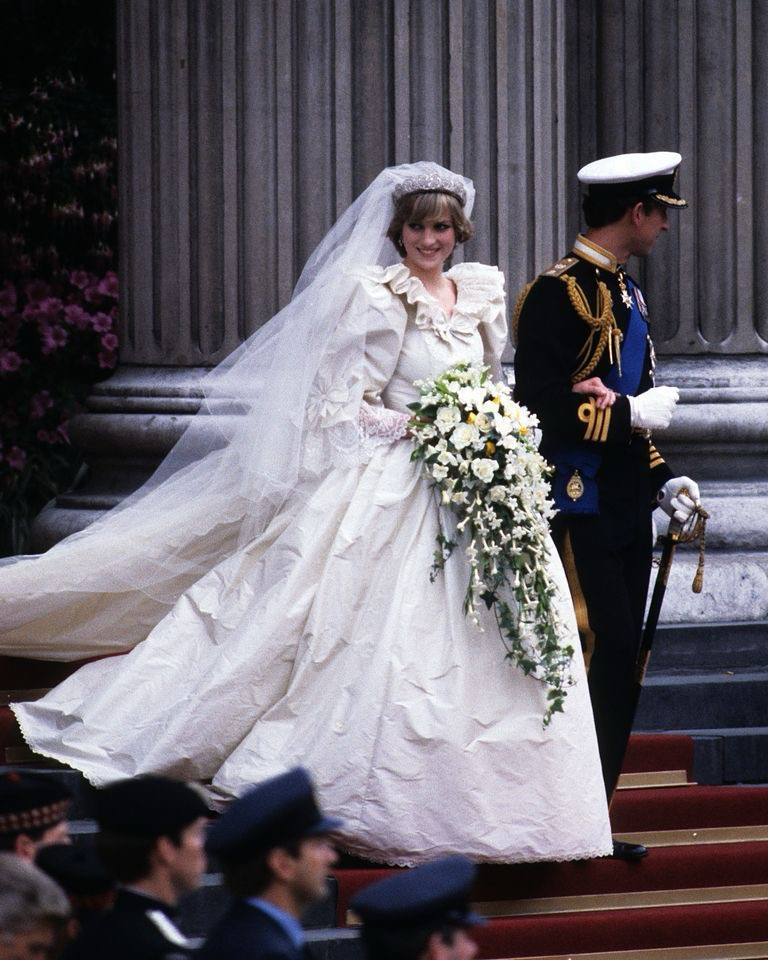
On July 29, 1981, an estimated 750 million people around the world tuned in to watch a 20-year-old kindergarten teacher named Diana Spencer become the Princess of Wales. But it wasn’t just the fairy-tale wedding at St. Paul’s Cathedral that captured the world’s attention — it was the dress. Over four decades later, Princess Diana’s wedding gown is still one of the most talked-about, copied, and celebrated bridal dresses in history.
Here’s the full story behind the gown, from its secretive design process to where it lives today.
The Designers Nobody Expected
The dress was the work of David and Elizabeth Emanuel, a husband-and-wife design duo who were relatively unknown in the fashion world at the time. Diana reportedly met the couple almost by chance before her engagement, and was drawn to their romantic, fairy-tale style. When the royal family needed someone to design the most anticipated wedding gown of the century, the Emanuels were the surprising choice over more established names — a decision that instantly launched their careers into the international spotlight.
The design process itself was treated like a state secret. The Emanuels presented Diana with multiple sketches before settling on a silhouette that would flatter her figure and suit the grandeur of the occasion: a fitted, boned bodice, a dramatically full skirt, and oversized puffed sleeves that would go on to define bridal fashion throughout the 1980s.
What the Dress Was Actually Made Of ?
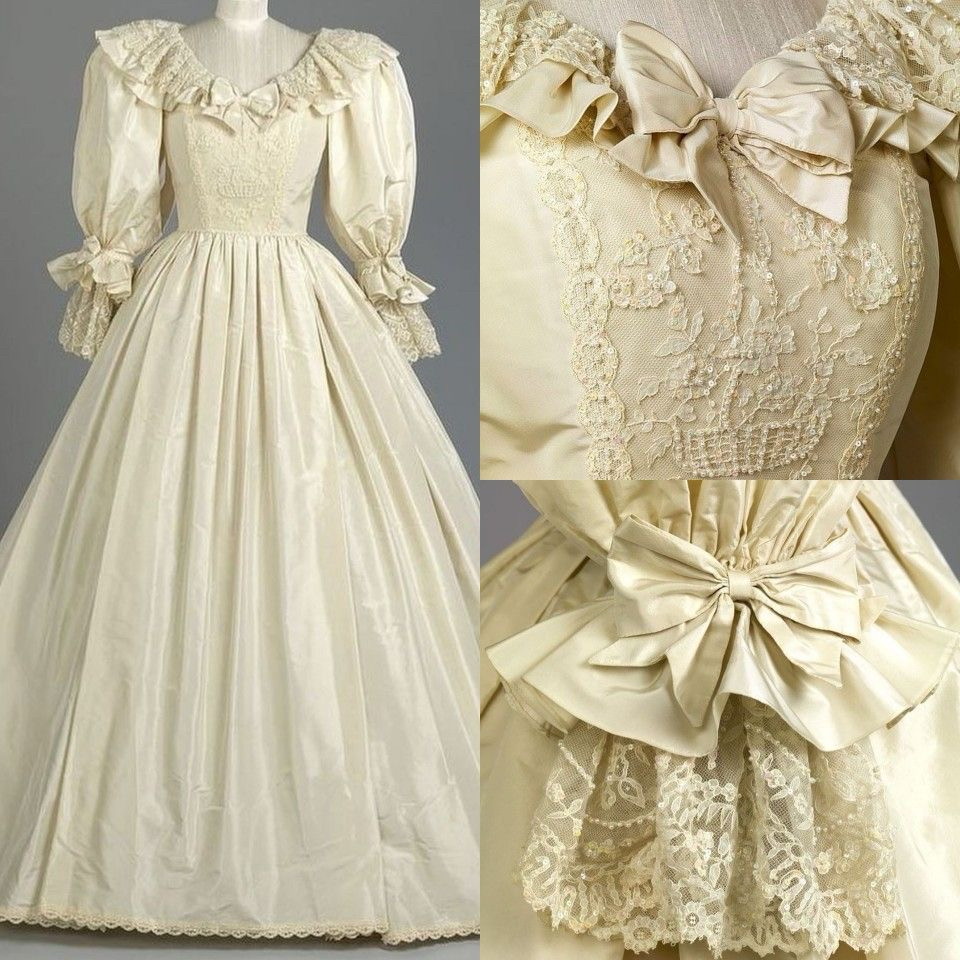
Diana’s gown was crafted from ivory silk taffeta, a fabric chosen partly out of necessity — the silk came from Lullingstone Silk Farm in England, keeping the dress entirely British-made. Some key details that made the dress so extraordinary:
• Ivory silk taffeta and antique lace, sourced to keep the dress a “Made in Britain” statement
• A fitted, boned bodice with a wide, curved neckline trimmed in lace flounces
• Voluminous puffed sleeves, also finished with delicate lace ruffles
• A full skirt worn over a multi-layered tulle petticoat for dramatic volume
• Thousands of hand-sewn mother-of-pearl sequins and pearls embroidered across the bodice and skirt
• Embroidered floral motifs worked entirely by hand
According to those who worked on it, the gown reportedly took roughly 3,000 hours to complete — an extraordinary amount of hand embroidery and detail work for a single dress.
The Legendary 25-Foot Train
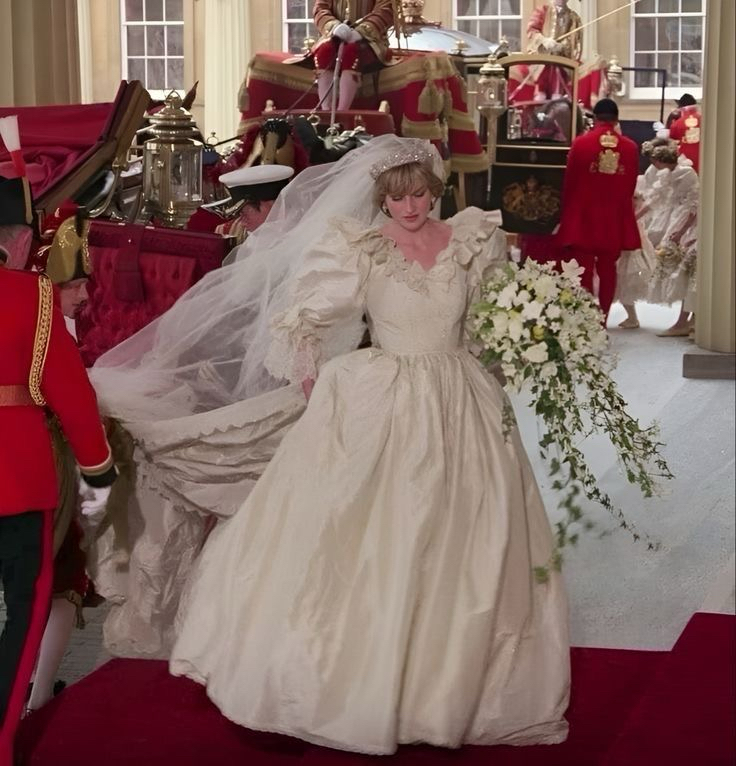
Perhaps the single most iconic feature of the dress was its train — a sweeping 25-foot length of fabric that was, at the time, the longest train ever worn in a royal wedding. The train was so long that fitting it into the glass coach for the ride to St. Paul’s Cathedral required careful, rehearsed folding.
Even with all that preparation, things didn’t go perfectly. The summer heat, combined with Diana’s father, Earl Spencer, sitting in the carriage alongside her, caused the delicate silk to crease more than the designers had anticipated. Fortunately, the Emanuels and Diana’s bridesmaids were on hand to smooth and fluff the dress back into shape before she stepped out in front of the waiting cameras and crowds.
A few extra details that made the moment unforgettable:
• The dress was rumored to be one of the best-kept secrets in fashion history — even close friends and family didn’t see it until the wedding day
• Diana wore the Spencer family tiara along with a veil that was nearly as long as her train
• Her sleeves and neckline both matched, tying the whole silhouette into one cohesive romantic look
The Legacy: How the Dress Changed Bridal Fashion
Diana’s wedding dress didn’t just make headlines — it reshaped what brides around the world wanted to wear. Puffed sleeves, dramatic trains, and heavily embellished bodices became bridal must-haves throughout the 1980s and into the 1990s, and echoes of the silhouette still show up on runways and in bridal boutiques today.
Designers continue to cite the gown as a reference point for:
• Voluminous, statement-making sleeves
• Victorian-inspired lace detailing
• Long, dramatic cathedral-length trains
• Hand-embroidered embellishment as a focal point
Fashion historians often point to the dress as a defining example of 1980s bridal maximalism — a stark contrast to the sleeker, minimalist gowns that would come back into style decades later.
Where the Dress Is Today
After the wedding, the dress had a long life of its own. It was displayed for years at Althorp House, the Spencer family estate where Diana is buried, and it also toured as part of the “Diana: A Celebration” exhibition, allowing fans around the world to see it in person.
Since 2014, the dress has been kept privately by Diana’s sons, Prince William and Prince Harry — reportedly per her own wishes that it be passed to them once they each turned 30. While it’s no longer on public display, the story and influence of the gown remain very much alive in fashion history.
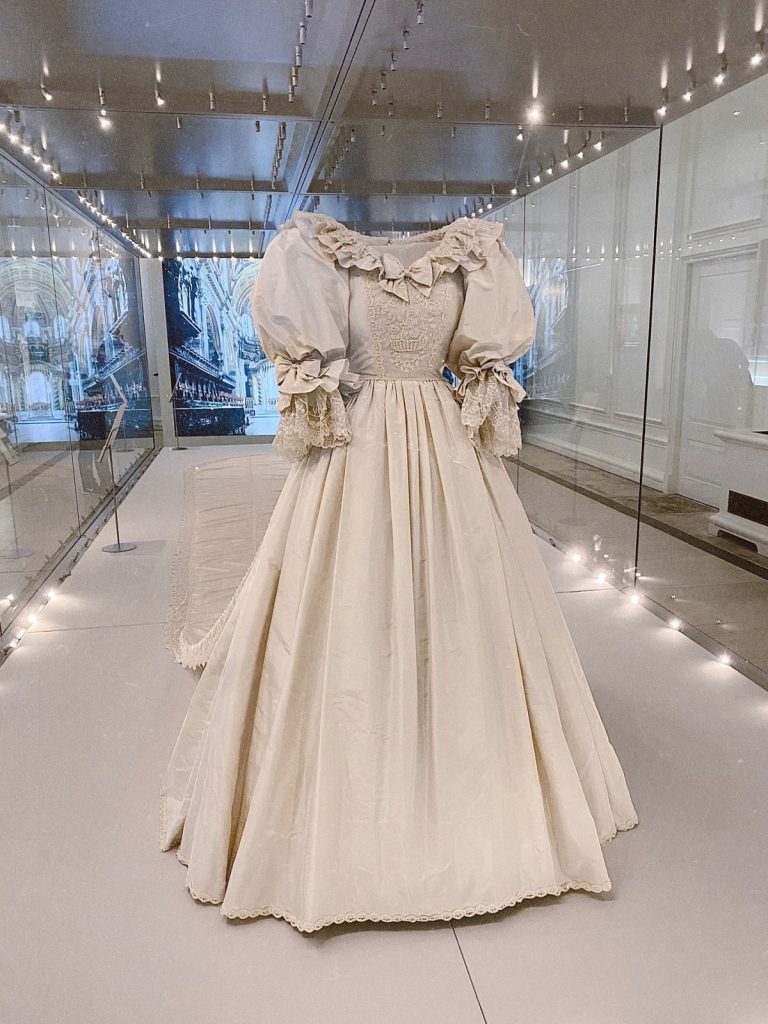
More than 40 years later, Princess Diana’s wedding dress remains a touchstone in both royal history and fashion. It wasn’t just a gown — it was a cultural moment, meticulously crafted in secret by two designers who would go on to define an era of bridal style.
From its hand-sewn pearls to its 25-foot train, every detail told the story of a young woman stepping into a very public, very scrutinized new life — and doing it in one of the most iconic dresses the world has ever seen.
Happy Reading From Tia
Leave a Reply