
If you’ve ever spent twenty minutes making a meal your toddler ate three bites of, only to watch them ask for the exact same “boring” snack they had yesterday, you already know: toddler feeding doesn’t follow logic. It follows mood, texture, temperature, and occasionally whatever color the plate happens to be.
The good news is that most of this is completely normal. Somewhere around their first birthday, growth slows down and appetite drops with it — which is a big reason toddlers eat like tiny, unpredictable food critics instead of the eager eaters they were as babies. Add in a strong new drive for independence, and food becomes one of the easiest places for a toddler to say “no” just because they can.
Below is a working list of meals, snacks, allergy guidance, and a few small tricks that make mealtimes with a toddler a little less chaotic.
A Simple Way to Think About Balance
Don’t aim for a perfectly balanced plate at every single meal — that’s a fast way to burn out. Instead, think about balance across the whole day, or even the week. Most meals can loosely include a protein (egg, beans, cheese, chicken, tofu, yogurt), a carb (rice, pasta, bread, oats, potato), a fruit or veg (cooked or raw depending on age), and a little fat (olive oil, avocado, a smear of nut butter if there’s no allergy concern).
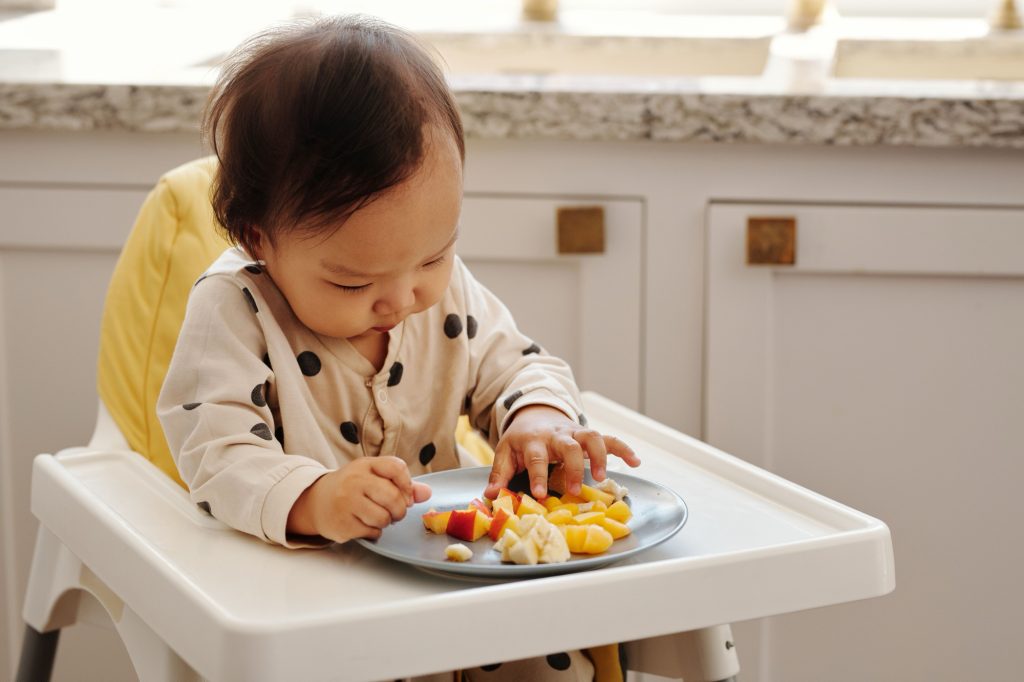
Some meals will hit all four. Some will just be crackers and cheese eaten while your toddler runs a lap around the kitchen table. Both are fine.
Breakfast Ideas
- Soft scrambled eggs with toast strips — Cook eggs low and slow with a splash of milk so they stay soft, not rubbery. Stir in a little shredded cheese at the end. Cut toast into finger-width strips for dipping.
- Baked oatmeal cups — Mix oats, mashed banana, an egg, cinnamon, and a splash of milk, then bake in a muffin tin for about 18–20 minutes. These freeze well and reheat in under a minute.
- Mini pancakes with yogurt for dipping — Make the batter slightly thinner than usual so the pancakes cook up small and soft. Cut into triangles once cooled.
- Savory yogurt bowl — Plain yogurt with mashed avocado and a pinch of soft-cooked veggies stirred in. Sounds unusual, but many toddlers who reject sweet yogurt will eat this version happily.
- Zucchini or carrot muffins — Grate the vegetable finely so texture isn’t an issue, and bake in mini muffin tins for smaller portions.
- Cottage cheese with soft fruit — Ripe peach, mango, or banana mashed slightly so it’s easier to scoop.
- Avocado toast strips — Mash avocado with a squeeze of lime and spread thin so it doesn’t slide off in one bite.
Lunch Ideas
- Mini quesadillas — Spread mashed black beans and shredded cheese between two small tortillas, cook in a dry pan until golden, then cut into wedges. Serve with a spoon of mild salsa or sour cream on the side for dipping, not mixed in.
- Pasta with olive oil, parmesan, and peas — Toss warm pasta with olive oil, a little parmesan, and soft-cooked peas.
- Turkey and cheese roll-ups — Roll a slice of turkey around a strip of cheese, then slice into small pinwheels. Serve with soft cucumber sticks.
- Rice and lentils with soft veggies — Cook lentils until very tender, mix with rice and a small amount of olive oil, add finely diced cooked carrot or squash.
- Grilled cheese fingers with tomato soup for dipping — Cut the sandwich into strips before serving.
- Hummus wraps — Spread hummus thin on a soft tortilla, add shredded carrot, roll tightly, and slice into pinwheels.
- Egg salad triangles — Mash hard-boiled egg with a little mayo or yogurt, spread on soft bread, cut into small triangles.
- “Hidden veggie” mac and cheese — Blend steamed butternut squash or carrot into the cheese sauce before mixing with pasta.
A trick worth mentioning here: put one “safe” food on the plate next to something new or less familiar, with zero pressure to eat either. This keeps the meal low-stakes, which — counterintuitively — is often what gets a new food eaten eventually.
Dinner Ideas
- Baked salmon, flaked — Bake at 400°F for about 12–15 minutes, then flake apart with a fork, checking carefully for bones. Serve with mashed sweet potato.
- Mini meatballs with soft pasta — Use ground turkey, beef, or chicken, roll into bite-sized balls, bake at 375°F for around 18 minutes. Great to batch-make and freeze.
- Veggie fried rice — Sauté finely chopped carrot, peas, and a scrambled egg into day-old rice with a small amount of low-sodium soy sauce.
- Soft tacos, deconstructed — Serve seasoned ground meat, shredded cheese, mashed avocado, and a soft tortilla separately, letting your toddler build their own or eat the pieces individually.
- Shepherd’s pie, mildly seasoned — A soft, mashed-topped dinner that reheats well the next day.
- Baked chicken tenders — Coat chicken strips lightly in breadcrumbs or crushed cornflakes and bake instead of fry. Serve with steamed carrot coins, cut small.
- Mini frittatas — Whisk eggs with a little milk, cheese, and finely chopped vegetables, bake in a muffin tin at 350°F for about 15 minutes. Good warm or cold.
Snack Ideas
- Apple slices with a thin nut or seed butter spread (check for allergies first)
- Cheese cubes with whole grain crackers
- Steamed, deshelled edamame
- Banana slices with a few crushed oats on top
- Homemade soft granola bars (avoid anything too hard or sticky for younger toddlers)
- Frozen yogurt bites, made by dolloping yogurt onto a tray and freezing
- Roasted sweet potato fries, cut into thick, soft sticks rather than thin crispy ones
- Soft-steamed broccoli florets with a mild yogurt dip
Common Food Allergies in Toddlers (and What to Watch For)
Food allergies affect roughly 1 in 13 children, and most first show up in the toddler years as new foods get introduced.
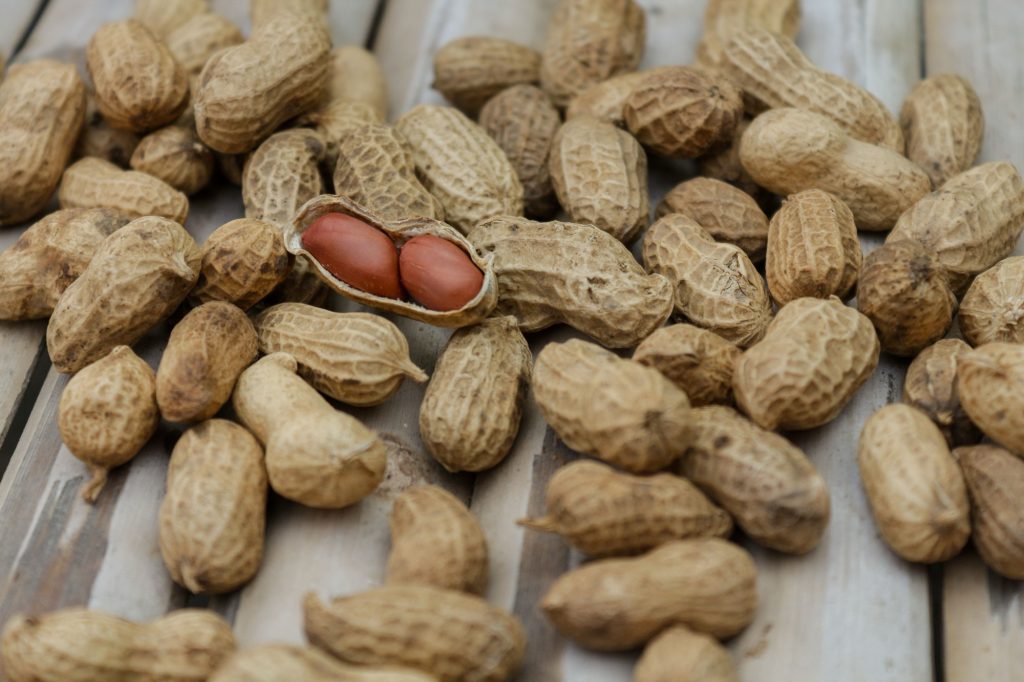
The nine foods responsible for the vast majority of childhood allergic reactions are:
- Cow’s milk
- Eggs
- Peanuts
- Tree nuts (almonds, walnuts, cashews, etc.)
- Soy
- Wheat
- Fish
- Shellfish
- Sesame
When introducing any of these for the first time, offer a small amount early in the day (not at night, when it’s harder to monitor symptoms), and wait a few days before introducing another new allergen, so it’s easier to identify the cause if a reaction happens.
Signs of a mild to moderate reaction include hives or a rash, swelling around the mouth or face, stomach upset, vomiting, or diarrhea. Signs of a severe reaction (anaphylaxis) include difficulty breathing, swelling of the throat or tongue, sudden paleness or weakness, or a rapid, weak pulse — this requires emergency medical attention immediately.

A few practical notes for toddler meals specifically:
- Peanut and tree nut butters should be spread thin, never given as whole nuts or thick spoonfuls, due to both allergy risk and choking risk.
- Cow’s milk allergy is different from lactose intolerance — milk allergy involves the immune system and can cause more serious reactions, while lactose intolerance is a digestive issue.
- Sesame was added to the major allergen list only in recent years, so it’s worth checking labels on hummus, tahini-based dips, and some breads.
- If there’s a family history of food allergies, eczema, or asthma, it’s worth talking to a pediatrician before introducing high-risk allergens, rather than guessing at home.
If your toddler has a confirmed allergy, always double-check packaged snacks, sauces, and shared-plate dishes (like mac and cheese made with a store-bought cheese sauce) for hidden allergens, since these are easy to overlook.
Tips That Actually Help With Picky Eating
Keep offering it, even after multiple no’s. It genuinely can take ten to fifteen exposures before a toddler accepts a new food. One refusal doesn’t mean cross it off forever — try again another day without commentary.
Eat the same food in front of them. Toddlers copy what they see, especially from parents and older siblings.
Resist becoming a short-order cook. If a different meal magically appears every time your toddler pushes a plate away, that becomes the fastest way to teach refusal as a strategy. Keep one familiar item alongside the main meal instead.
Get them involved. Washing vegetables, stirring batter, or choosing between two options at the store all seem to nudge toddlers toward trying what ends up on their plate.
Adjust your expectations on portion size. A toddler’s stomach is roughly fist-sized. A few tablespoons of each food is a completely normal “meal,” even if it looks tiny on an adult-sized plate.
Cut down on distractions during meals. Screens tend to disconnect toddlers from their own hunger and fullness cues, which can make both overeating and undereating more likely.
Choking Hazards Worth Knowing
A few foods need modifying before age four: whole grapes and cherry tomatoes should be quartered, whole nuts should be swapped for a thin spread of nut butter, popcorn should be skipped until older, hard raw veggies like whole baby carrots should be cooked soft or cut into thin sticks, hot dogs should be sliced lengthwise first and then into small pieces (never round coins), and large chunks of meat or cheese should be cut down to half-inch pieces or smaller. Always supervise toddlers while they eat, even with familiar foods.
Meal Prep Shortcuts for Exhausted Parents
Batch-cook proteins like shredded chicken, meatballs, or lentils and freeze in small, toddler-sized portions. Steam a big batch of vegetables early in the week for quick reheats. Use a muffin tin for mini frittatas, muffins, or baked oatmeal cups, which freeze and reheat individually. Keep a running list of 5–7 meals your toddler reliably eats, so there’s always a backup on hard days. Portion and freeze meals in toddler-sized amounts rather than large batches that need thawing.
When It’s Worth Mentioning to a Pediatrician
Most picky eating is a normal phase, but flag it with your pediatrician if your toddler eats fewer than 10–15 different foods total, is losing weight or dropping off their growth curve, gags or vomits frequently at meals, refuses entire food groups or textures for months at a time, or shows real distress around food or mealtimes. A pediatric feeding specialist can help rule out things like sensory sensitivities, reflux, or oral-motor delays that go beyond typical pickiness.
The Bottom Line
Toddler feeding isn’t a straight line — it’s messier and more forgiving than it feels in the moment. The goal isn’t a spotless plate every night; it’s a long-term, low-pressure relationship with food. Keep offering variety, keep portions realistic, and trust that most of this evens out with time, usually right around the point you’ve stopped expecting it to.
Celebrating the art of everyday living.
— Happy Reading from Tia —
Leave a Reply