Disclosure: This post contains affiliate links at no extra cost to you.
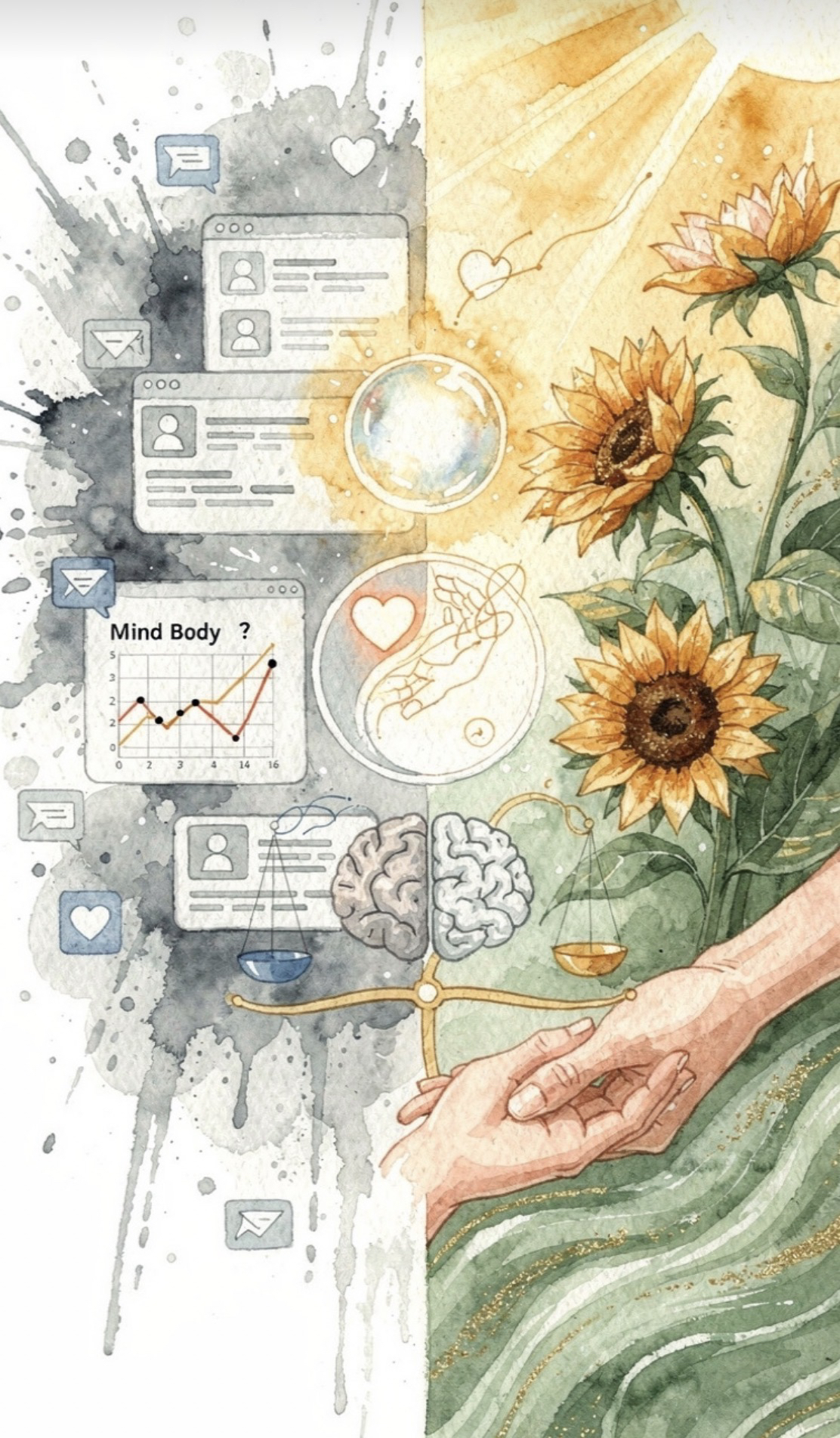
In today’s digital era, social media has completely changed the way people communicate, think, and live their daily lives. While these platforms provide entertainment, information, and connection, they can also silently affect emotional and mental well-being. Constant exposure to unrealistic lifestyles, online pressure, negativity, and endless comparison often leads to stress, anxiety, emotional exhaustion, and low self-esteem. As more people spend hours online every day, maintaining a strong mentality and emotional balance has become more important than ever. Understanding the effects of social media on mental health is the first step toward building healthier habits, improving self-awareness, and protecting inner peace in an overwhelming digital world.
1. The Pressure of Living Online
Social media has become a major part of modern life. People spend hours every day scrolling through videos, photos, and updates from others.
While these platforms help people stay connected, they can also create emotional pressure.
Constant comparison, unrealistic beauty standards, and the need for online validation often make people feel stressed, insecure, or emotionally exhausted.
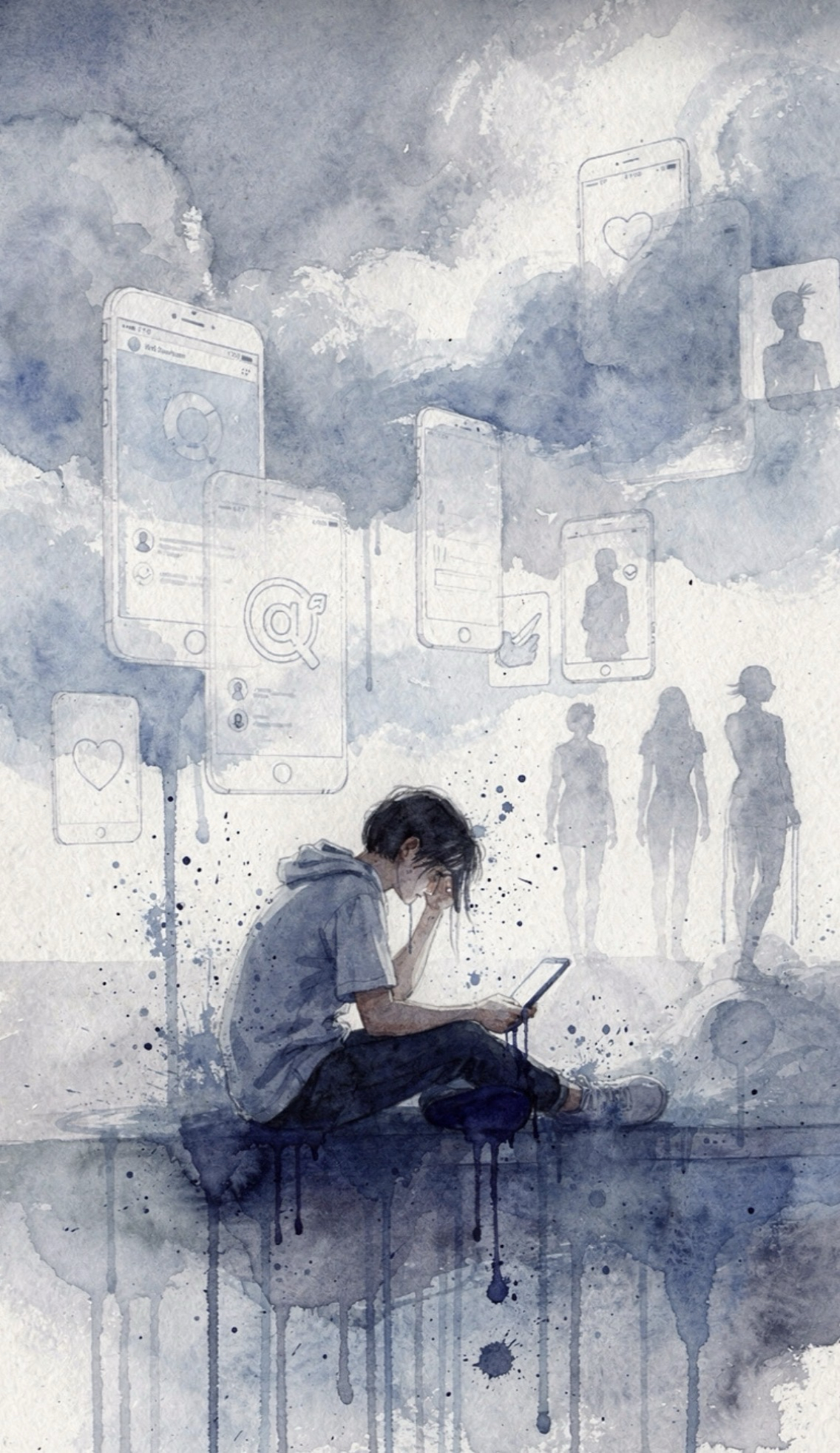
Social media shows perfect moments, not perfect lives.
Many individuals begin to feel like they are falling behind in life simply because they compare their reality to someone else’s highlight reel.
2. Common Signs of Mental and Emotional Exhaustion
Mental health struggles do not always appear suddenly. In many cases, emotional exhaustion builds slowly over time. Some common symptoms include
- Anxiety
- Mood Swings
- Overthinking
- Irritability
- Lack of Motivation
- Trouble Sleeping
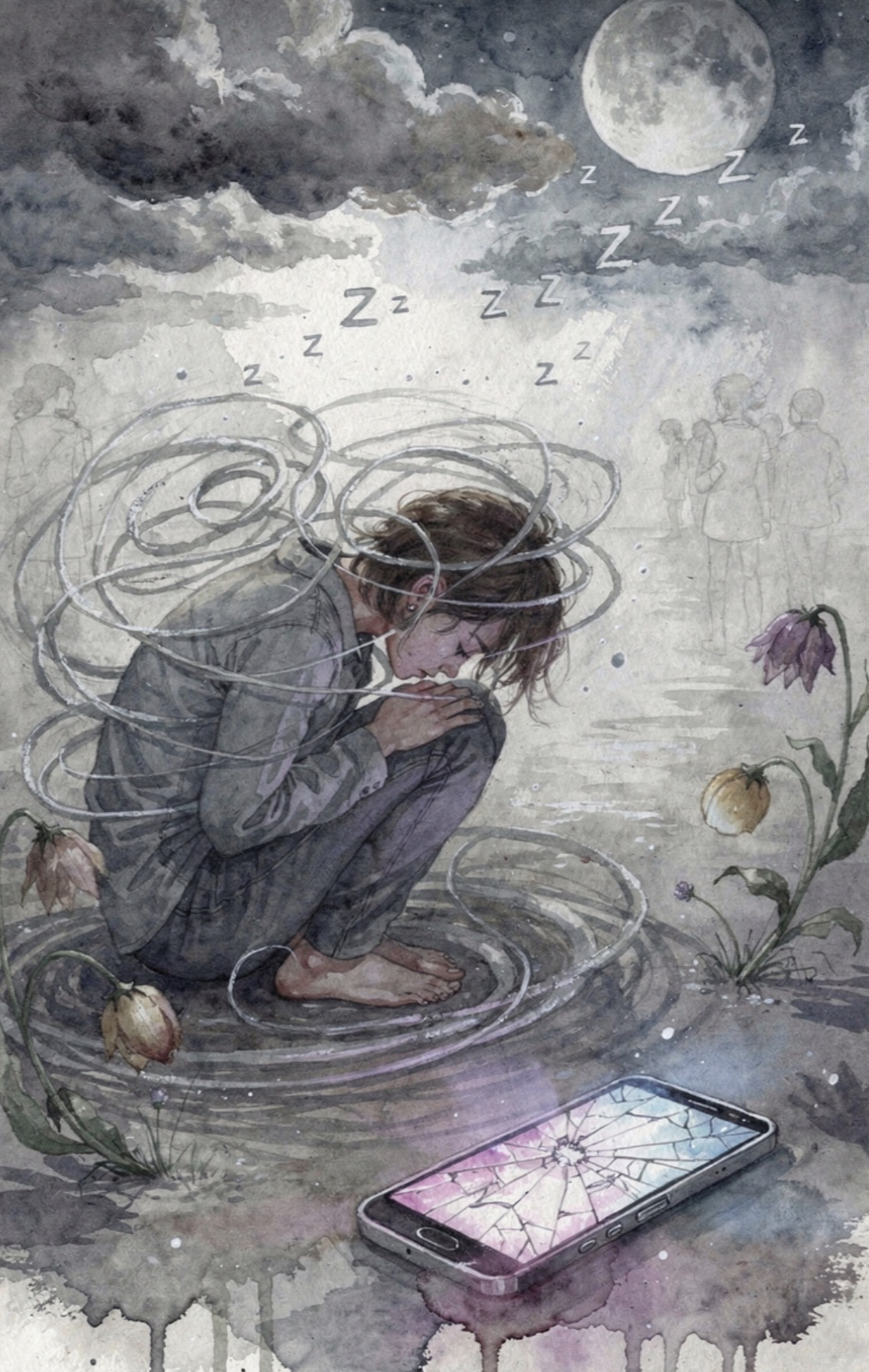
Behind endless scrolling often hides a mentally exhausted mind.
People may also lose confidence in themselves or feel disconnected from real life because of excessive social media use. Recognizing these signs early can help individuals take better care of their mental well-being before stress becomes overwhelming.
3. Understanding Emotions Through Daily Reflection
One of the best ways to improve emotional awareness is by paying attention to daily thoughts and feelings.
Many people now use mood tracking tools or personal digital diaries to understand their emotional patterns.
Tracking emotions regularly helps individuals identify what triggers stress, sadness, or anxiety in their daily lives.

Your emotions make more sense when you take time to understand them.
Writing thoughts in a journal can also reduce mental pressure because it allows the mind to release emotions instead of holding everything inside. Over time, this habit improves self-awareness and emotional clarity.
4. The Importance of Mental Relaxation
In today’s fast-paced digital environment, the mind rarely gets proper rest. Yoga, meditation, and mindfulness practices help calm the nervous system and create inner balance.
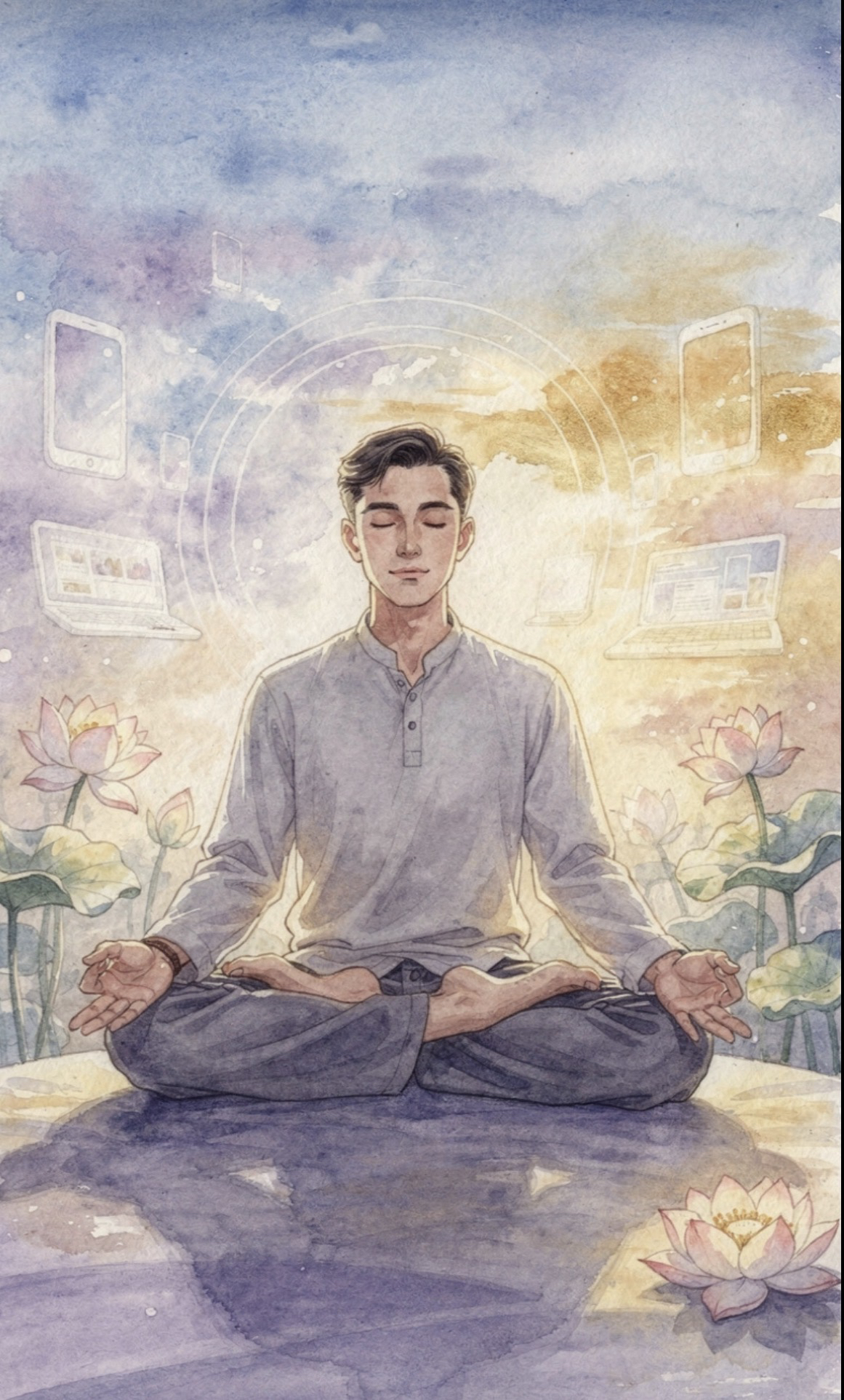
You don’t always need more effort; sometimes you need more calm.
Taking even a few minutes each day to focus on breathing, silence, or guided meditation can reduce stress levels and improve focus.
These practices help individuals reconnect with themselves and develop healthier emotional control. Instead of constantly reacting to online negativity, people become more emotionally stable and mentally strong.
5. Building a Strong Mentality in the Digital World
Developing a strong mentality takes time, patience, and consistency. Small habits such as limiting toxic social media exposure, reflecting on emotions, practicing mindfulness, and maintaining healthy routines can make a significant difference in mental well-being.
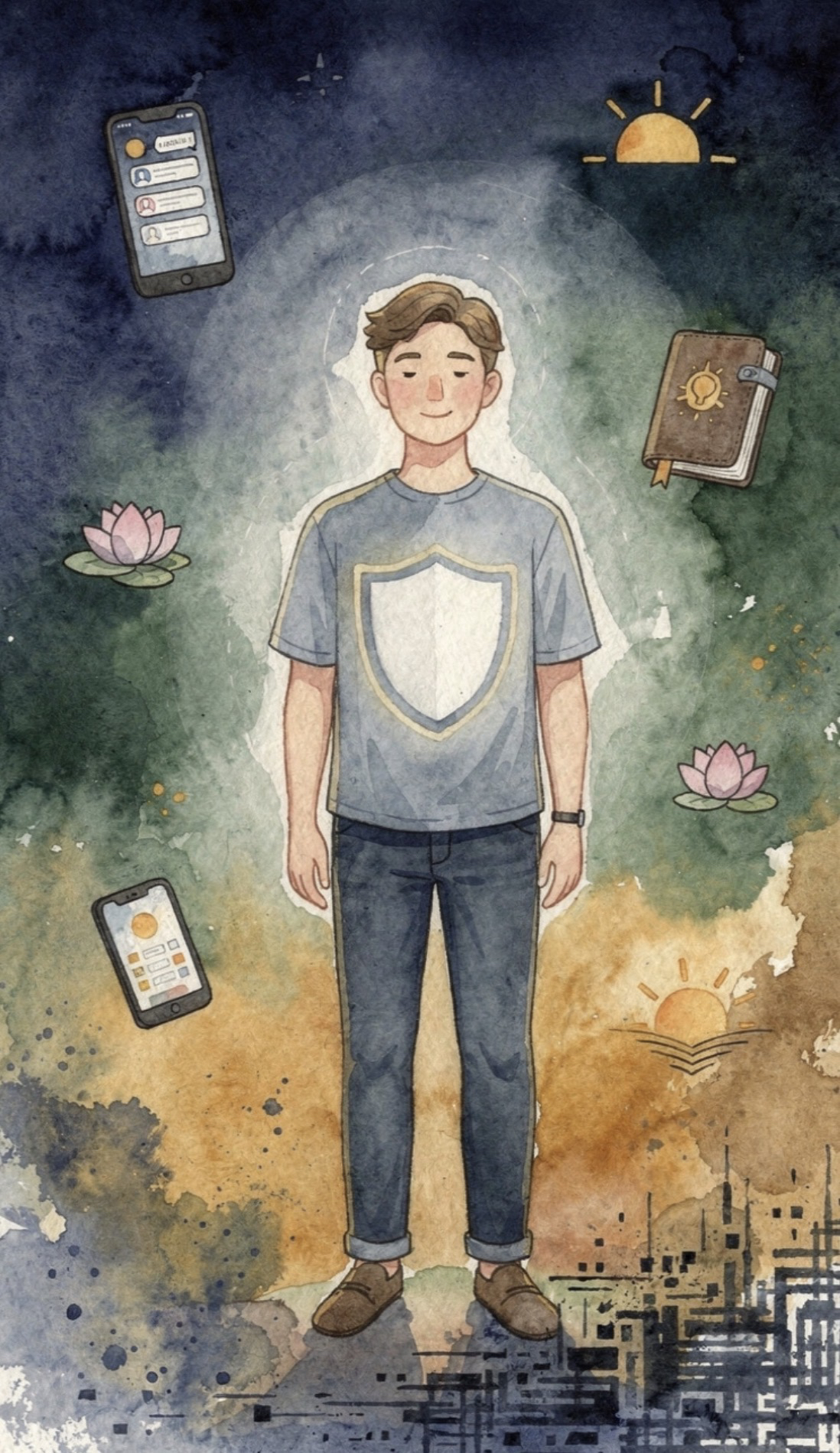
Your mentality is your filter — it decides what in the digital world shapes you and what doesn’t.
Emotional strength is not about ignoring feelings or pretending to be perfect.
It is about learning how to manage emotions in a healthy way while protecting inner peace in an overwhelming digital world.
6. Seeking Healthy Emotional Support
Sometimes emotional stress becomes difficult to manage alone. Many people now turn to professional mental wellness support and guided self-help tools available online.
These resources often provide structured exercises, emotional guidance, mood tracking features, and support systems designed to help individuals better understand their thoughts and behaviors.
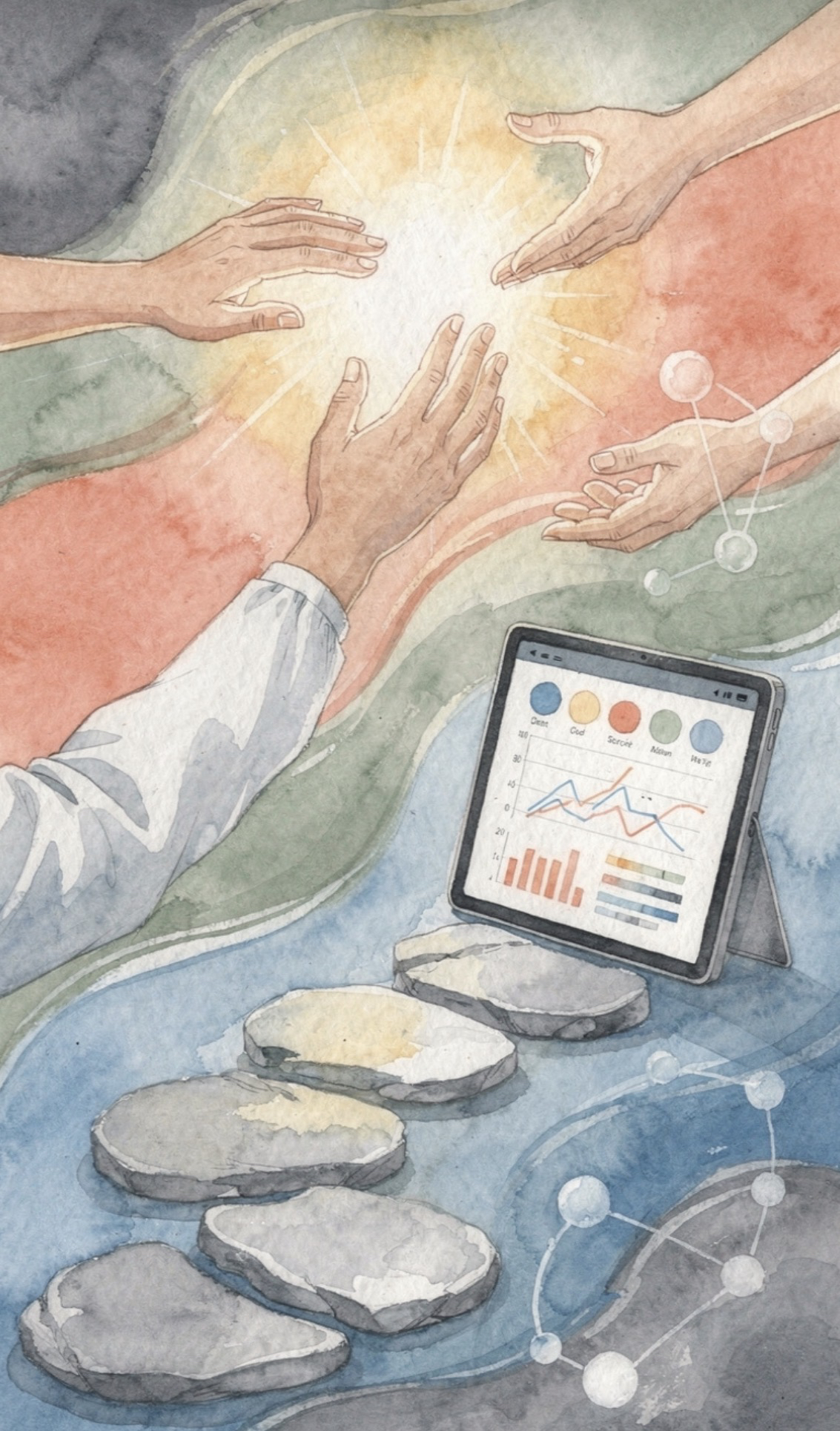
The right support system doesn’t fix you — it helps you find yourself.
You can book appointments with experts who provide worksheets, guided exercises, yoga, and meditation to improve emotional well-being. These services are also promoted by social media influencers to raise awareness about mental health. Simply click the link to explore and book your session online.
Don’t forget to follow our page and improve your understanding of human thoughts & emotions on our website.
— Happy Reading from Tia —
Leave a Reply